Current Exhibitions
Exhibition Works
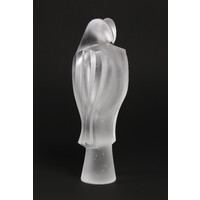
Kāhu (Eyles Harrier, Clear) (2026)
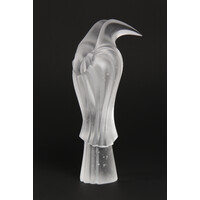
Huia (Clear) (2026)
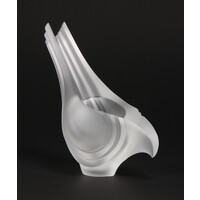
Piopio (Clear) (2026)
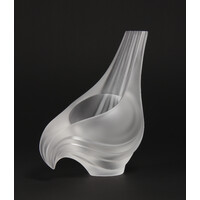
Kōkako (Te Waipounamu, Clear) (2026)
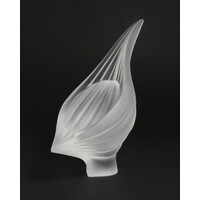
Kaoriki (Clear) (2026)
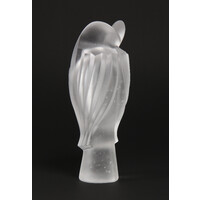
Whēkau (Clear) (2026)
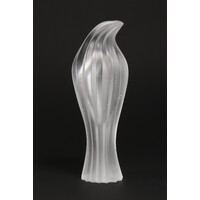
Mātātā (Wharekauri, Clear) (2026)
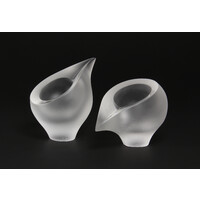
Koreke Pair (Clear) (2026)
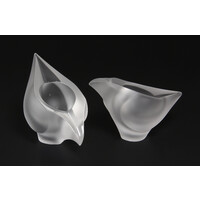
Mātuhituhi Pair (Clear) (2026)
Group Images
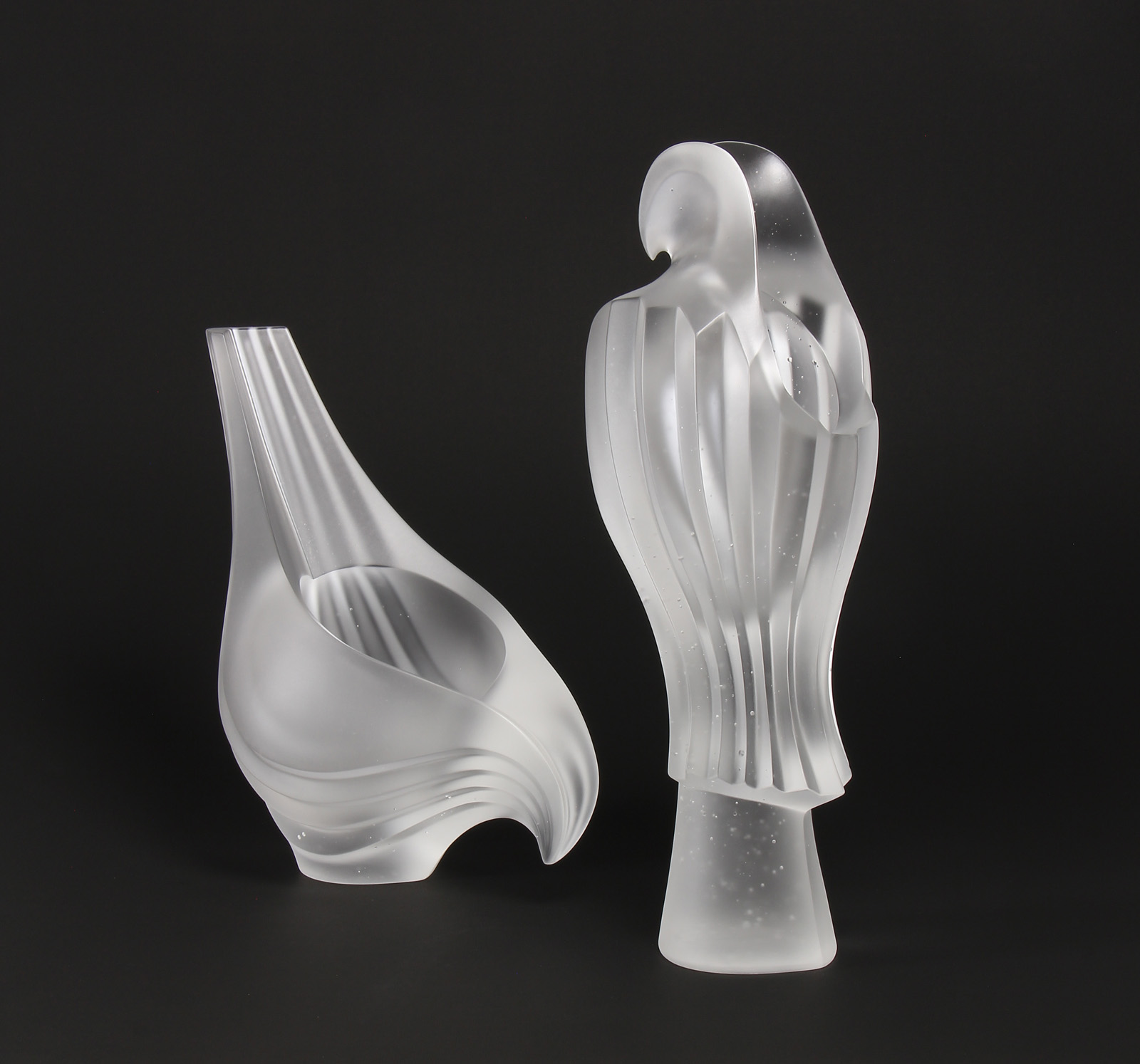
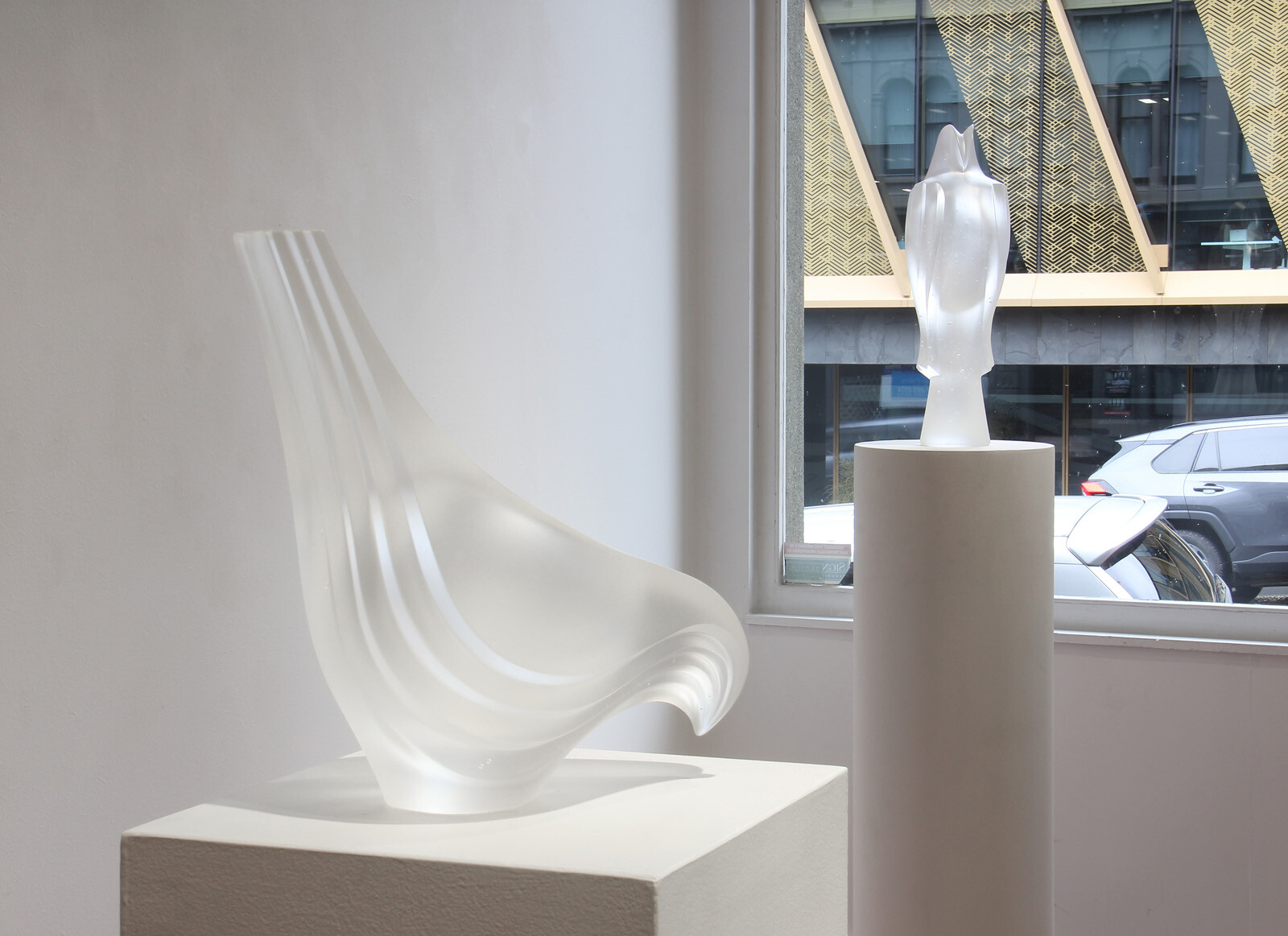
Mike Crawford, Kōkako (Te Waipounamu), Kāhu (Eyles Harrier) (2026)
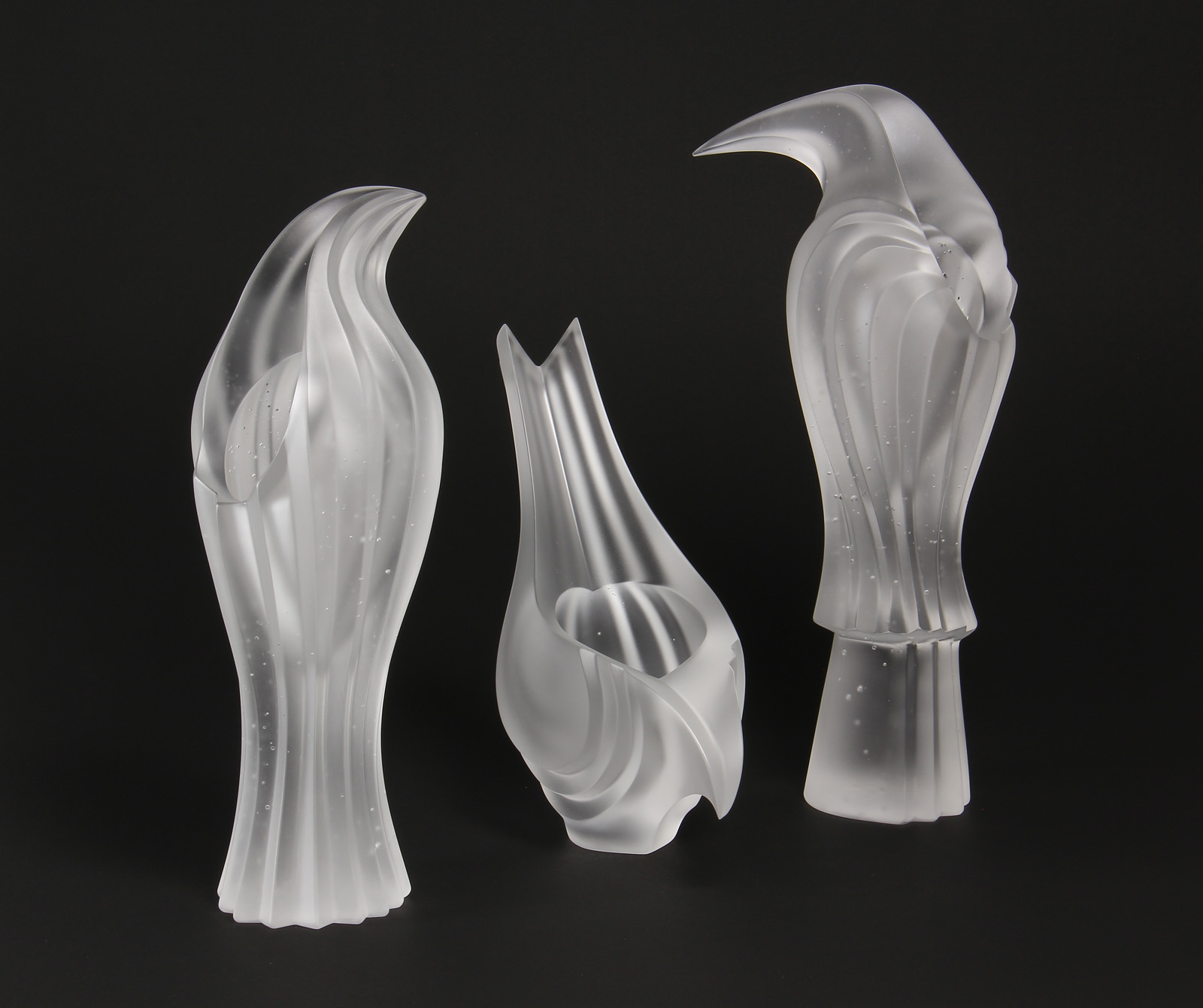
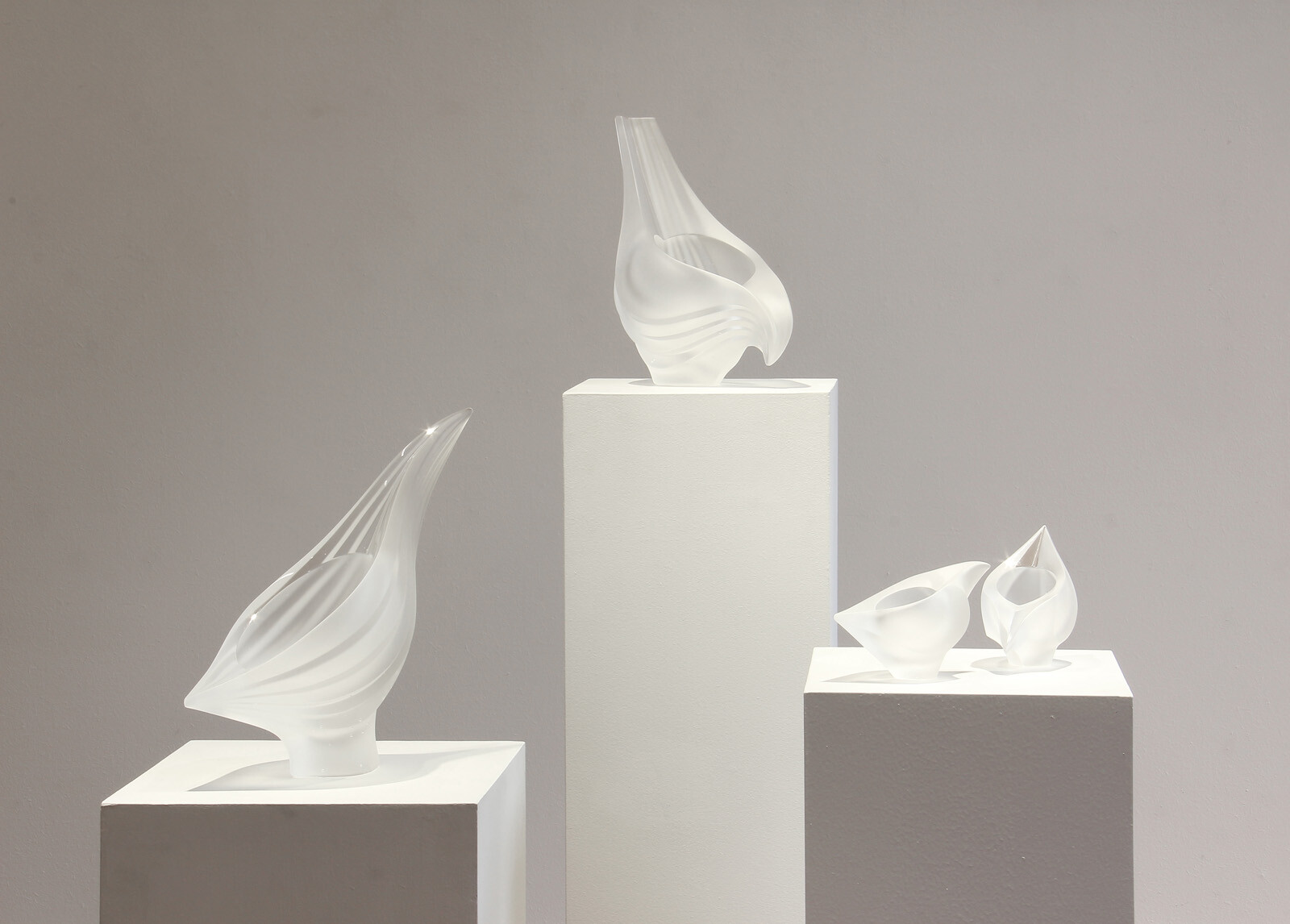
Mike Crawford, Mātātā (Wharekauri), Piopio, Huia (2026)
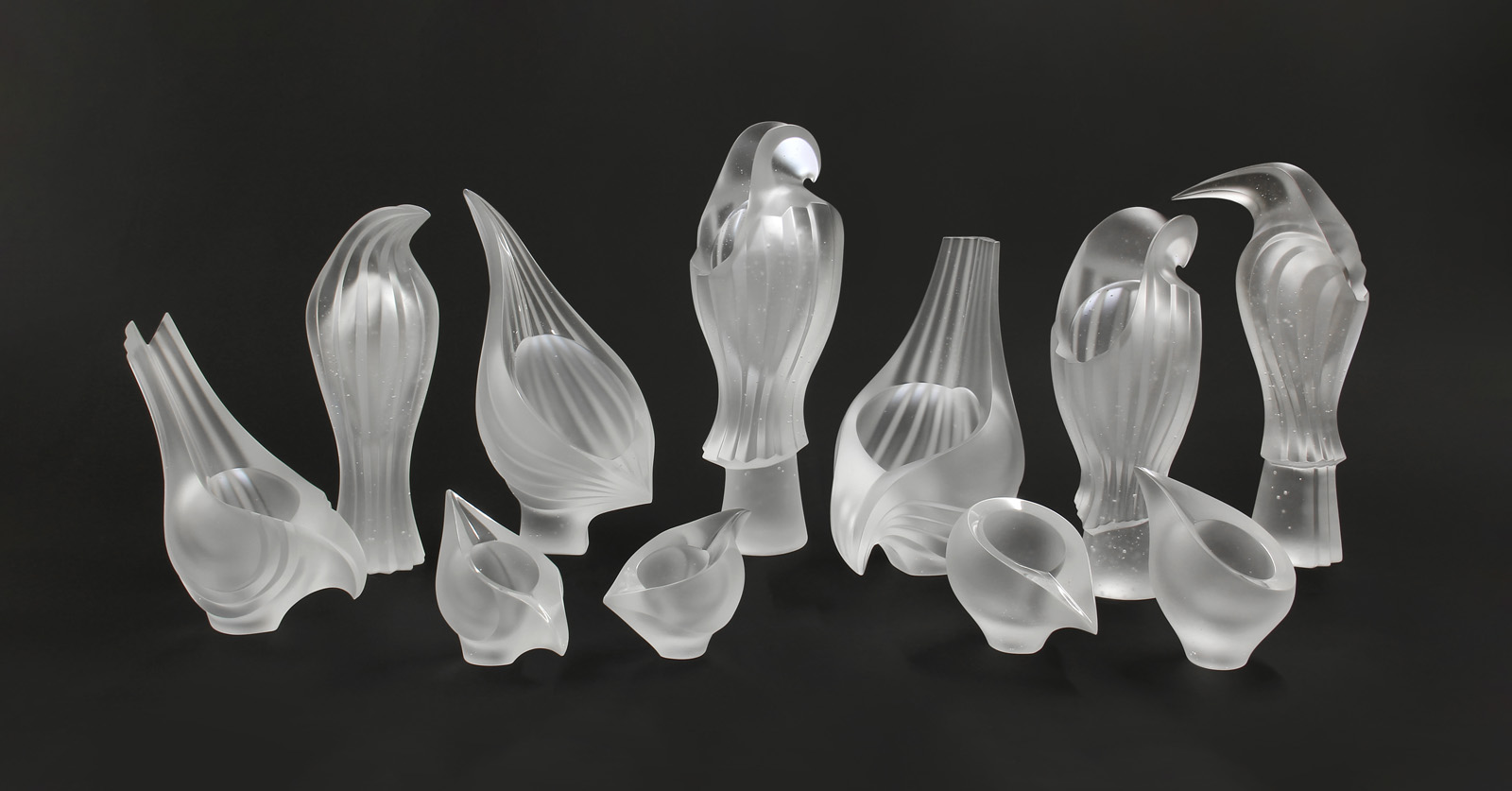
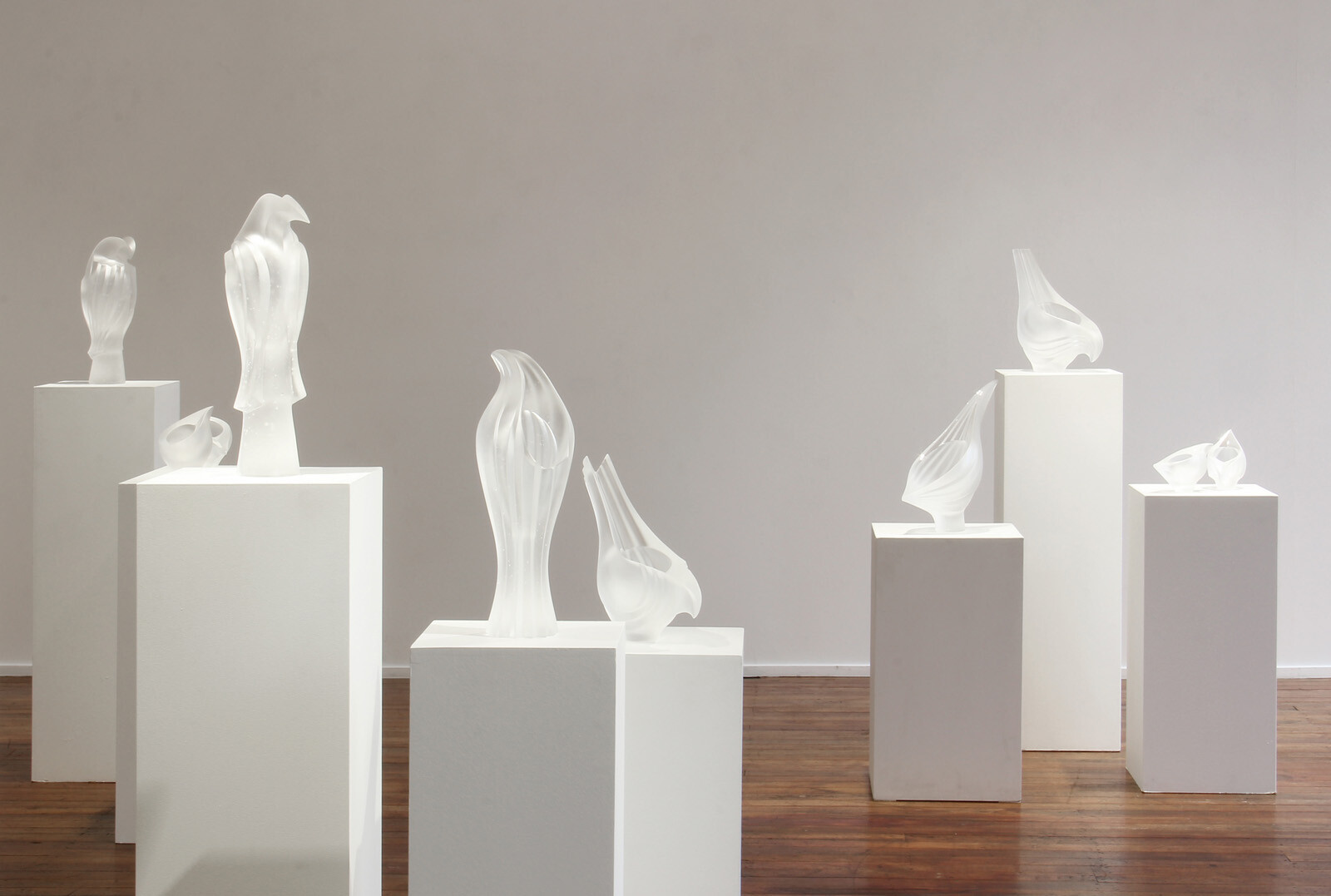
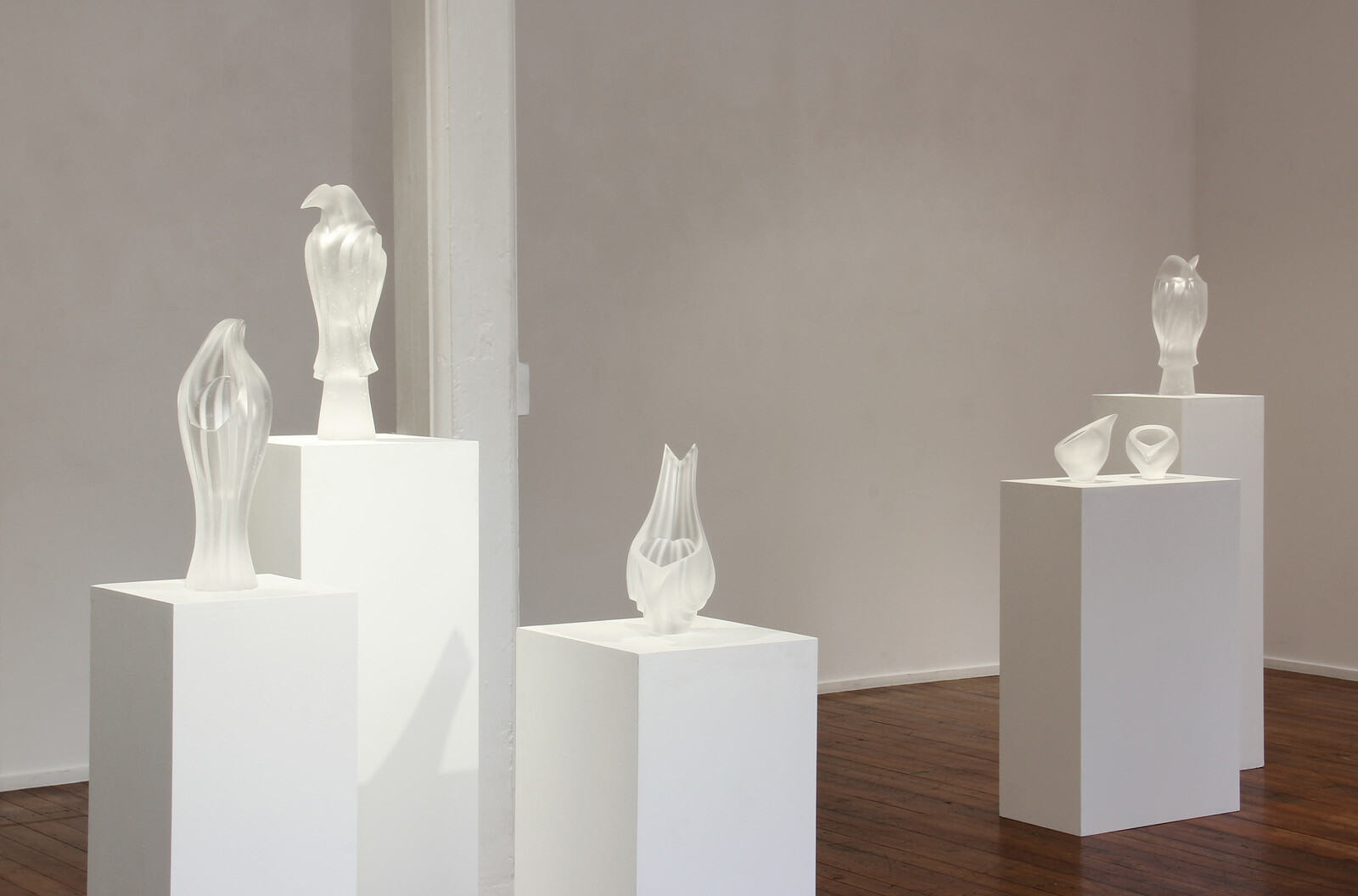
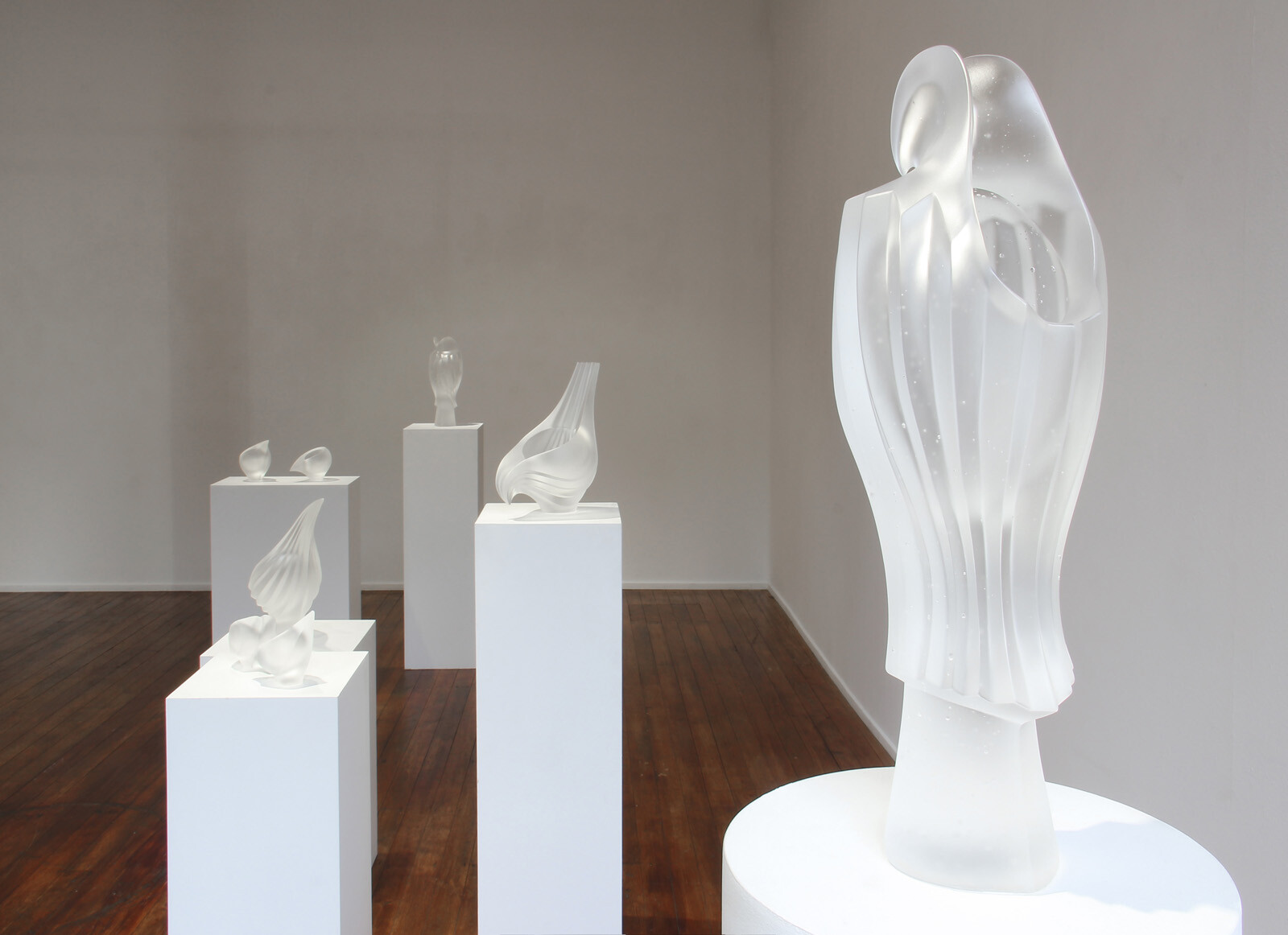
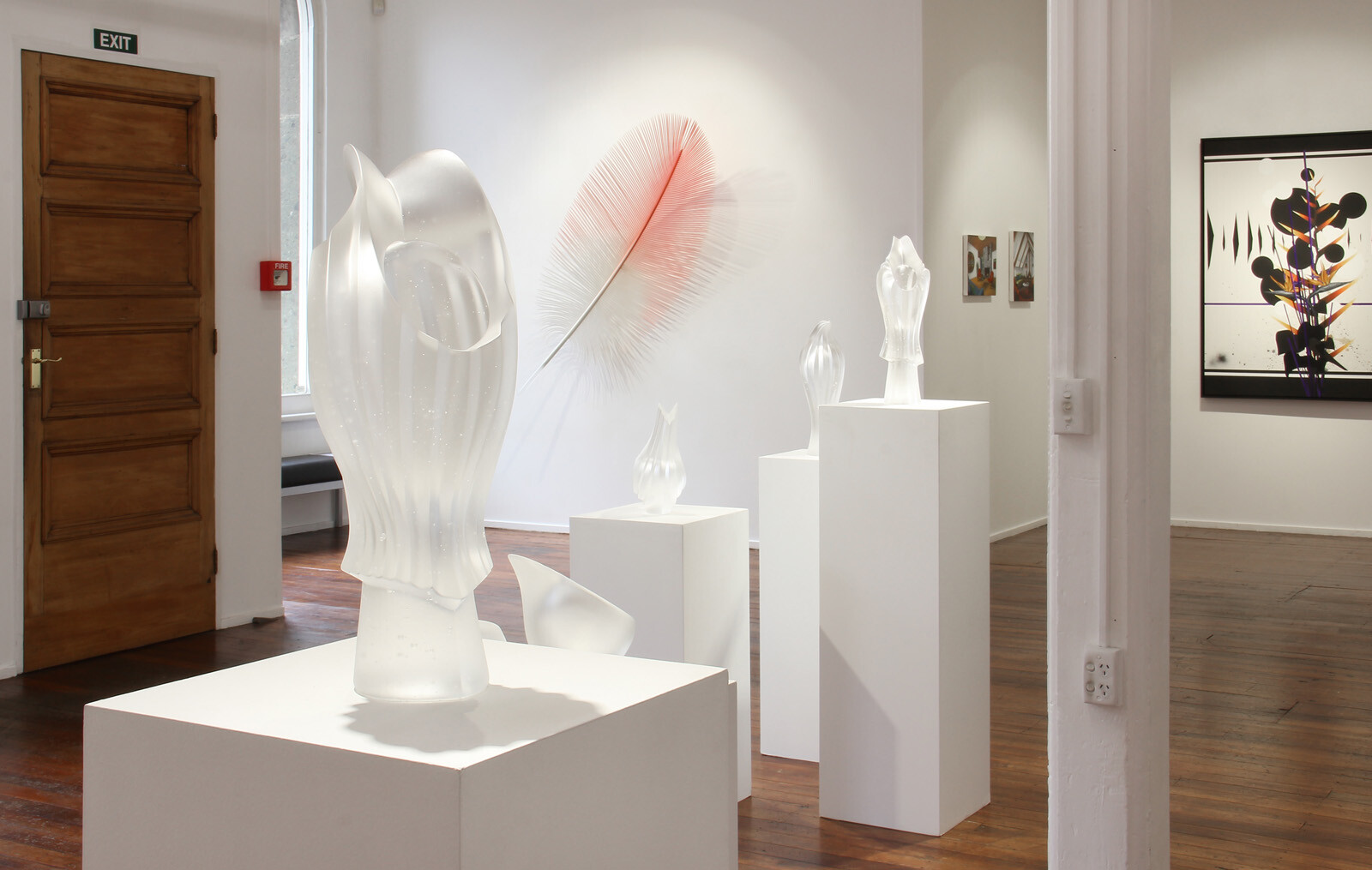
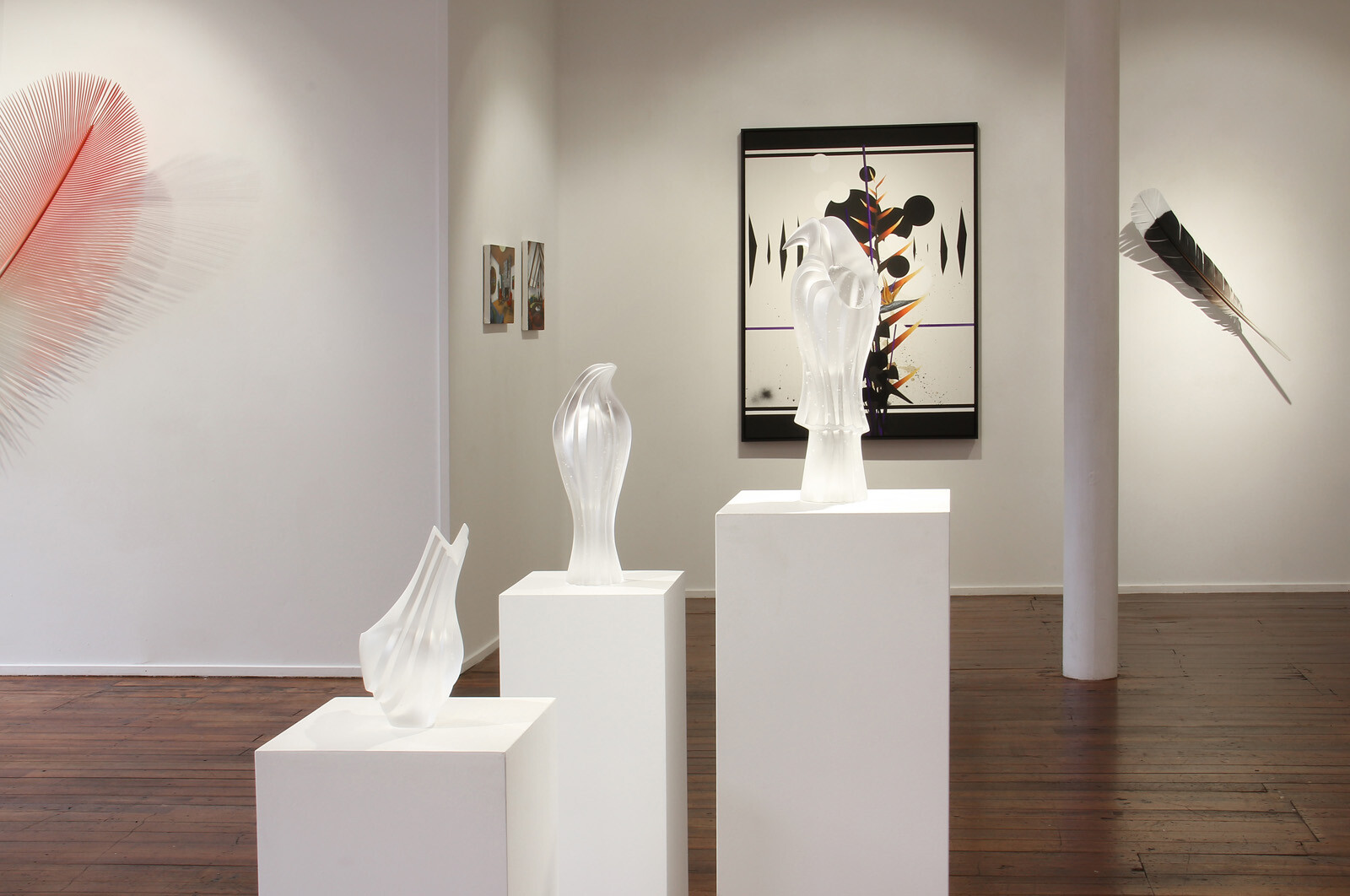
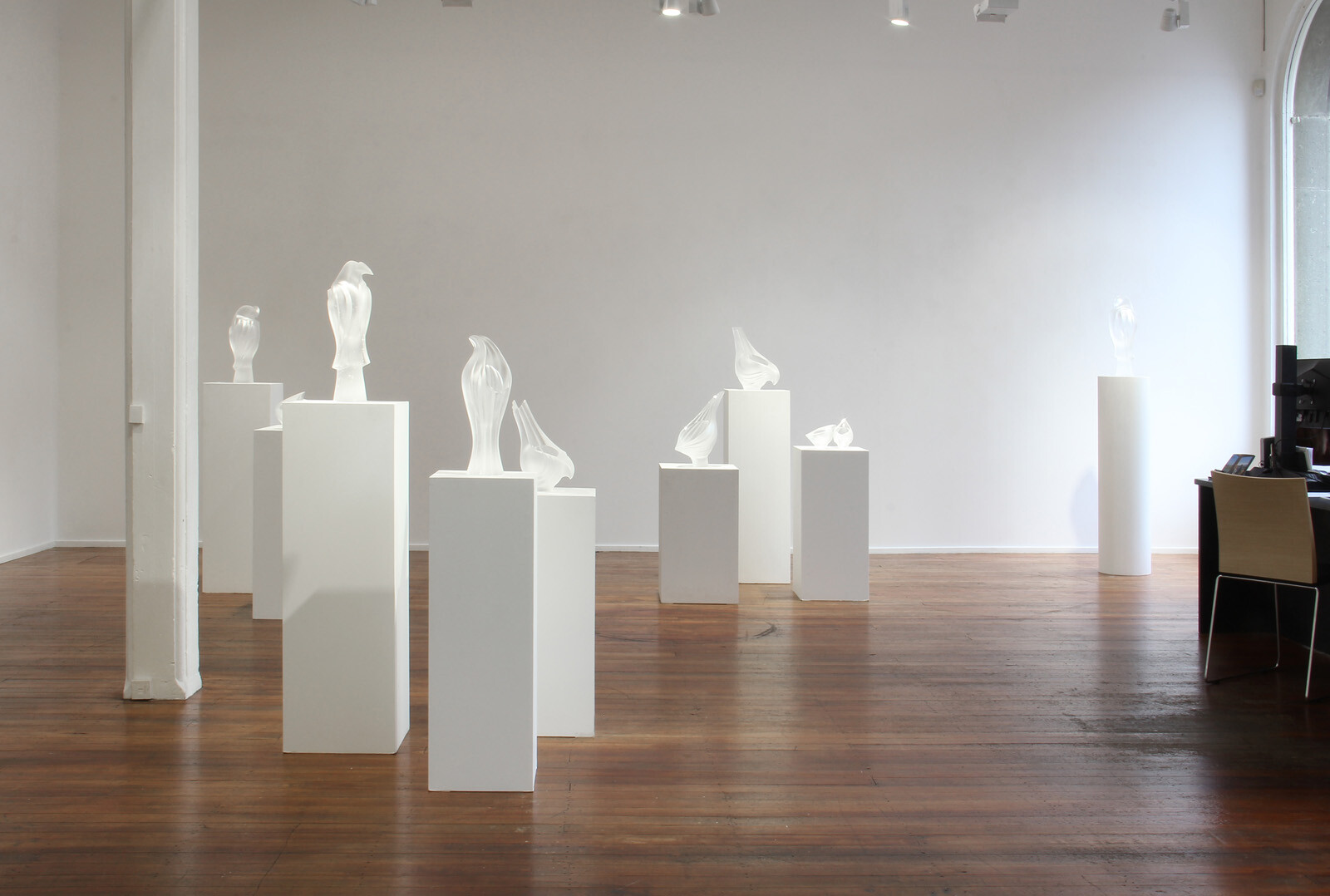
Mike Crawford, He Kāhui Tōriki (2026) exhibition works
Exhibition Text
Mike Crawford, beyond any shadow of a doubt, is now recognised as New Zealand's premier glass artist.
He has established a most distinctive and unique visual vocabulary, deeply informed by the pioneering, internationally acclaimed skill set and career practice of (his mentor) Ann Robinson, the symbolism of native birds in New Zealand, as well as the acute particularity of Māori cultural and spiritual values.
Consequently, his sinuous, fluid forms become harbingers, messengers, containers of hope and belief. His manu look at us. Question us. Across time and place.
Crawford's works contain both the precision of the craftsman and the eye of the artist. The swooping curves of the glass become line-made-life, reflecting the soaring flight and distinct individual personalities of the birds, and displaying the artist's deep understanding of the ability for presence to be generated from the manipulation of line and form.
There is also a cultural poignancy in Crawford's art, no more so than in the current exhibition, focusing as it does on some of the extinct species of these islands. Both as an environmentalist and as tangata whenua (Ngāti Raukawa), the pieces become a lament for the lost species, an exultant celebration of bird life in general, and a call to action to prevent the loss of any more of these taoka.
The exhibition's title has a deliberate double meaning — it is a phrase which refers both to a flock of birds and to a constellation of stars, the latter having a further metaphorical meaning of the spirits of those who have passed away.1 The sculptures are ghosts of these birds past.
There is a bittersweet irony that the birds, shaped as containers, are compared by the artist to waka huia (treasure boxes), the name of which refers to the treasure box's original use to hold sacred huia feathers, the hunt for which may have hastened the bird's demise. Now, the long-gone majestic huia is one of the ghosts of the exhibition, alongside native quail (koreke), the harrier (kāhu), the South Island kōkako, and numerous other species which have not survived to the present day.
The artist has eschewed his usual rich colours, rendering the forms in a frosty, phantasmic white, a reference to our often incomplete knowledge of the colours of the birds' plumage.2 In the process, he has allowed the exquisite lines of te manu to shine forth. The natural forms are simplified to a delicately balanced array of curves and planes, capturing a momentarily frozen energy and dynamism.1. Artist's statement, 2026.
2. Ibid.
Presented in partnership with Te Kano Estate.

Exhibition Views
All images and text copyright © 2026 the Artists & Milford Galleries Ltd.