Current Exhibitions
Exhibition Works
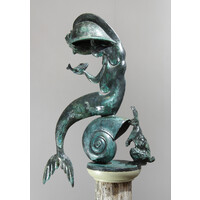
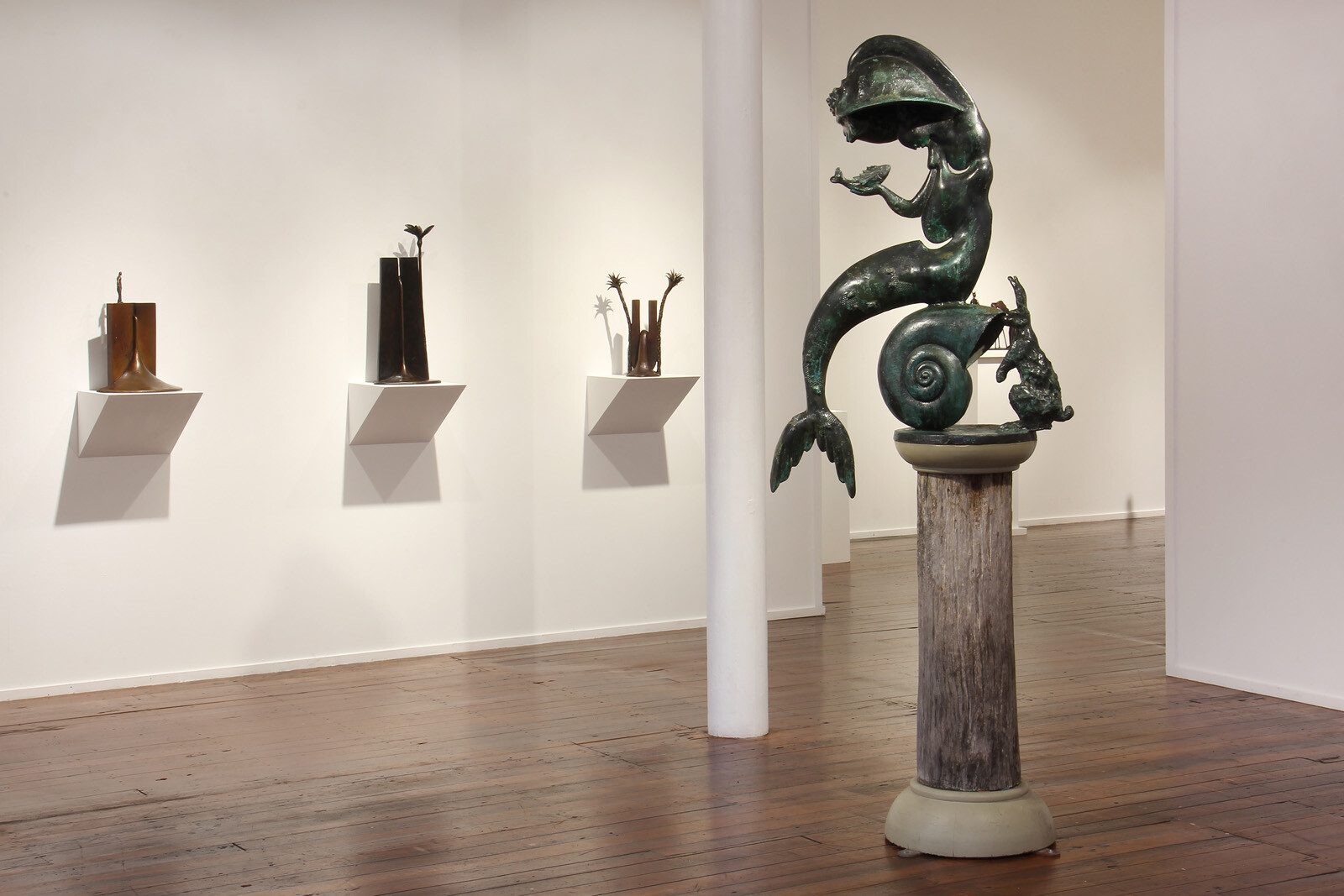
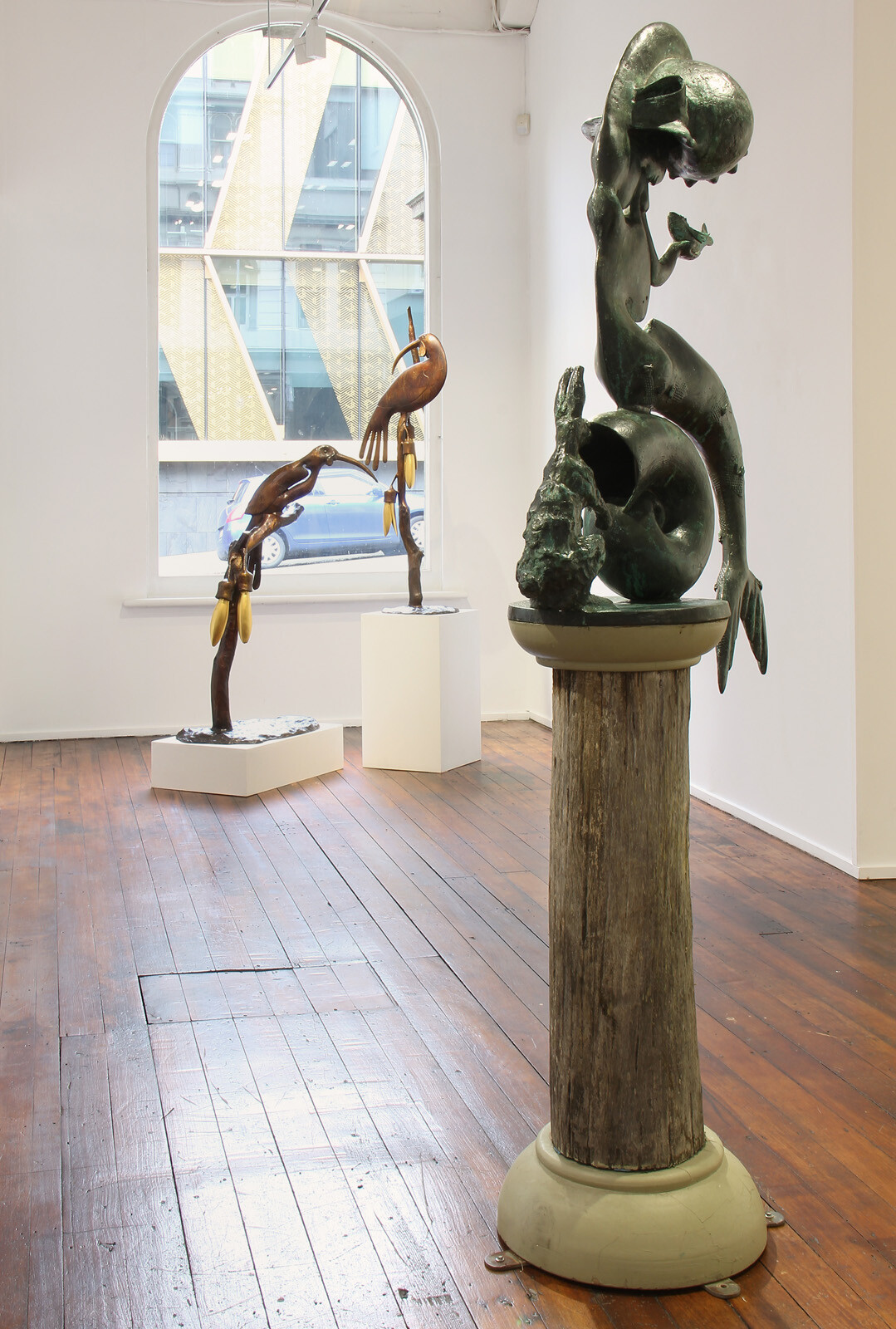
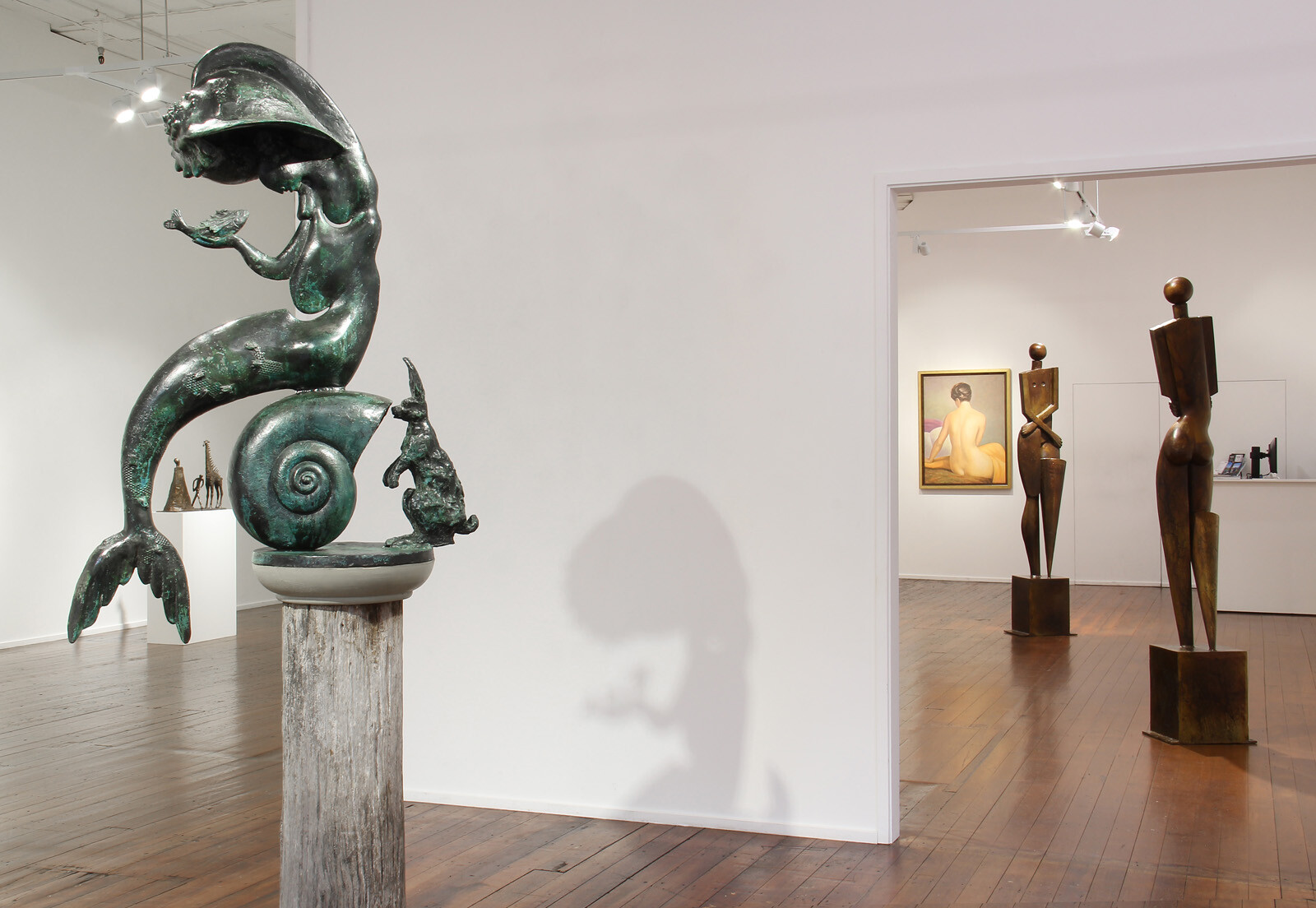
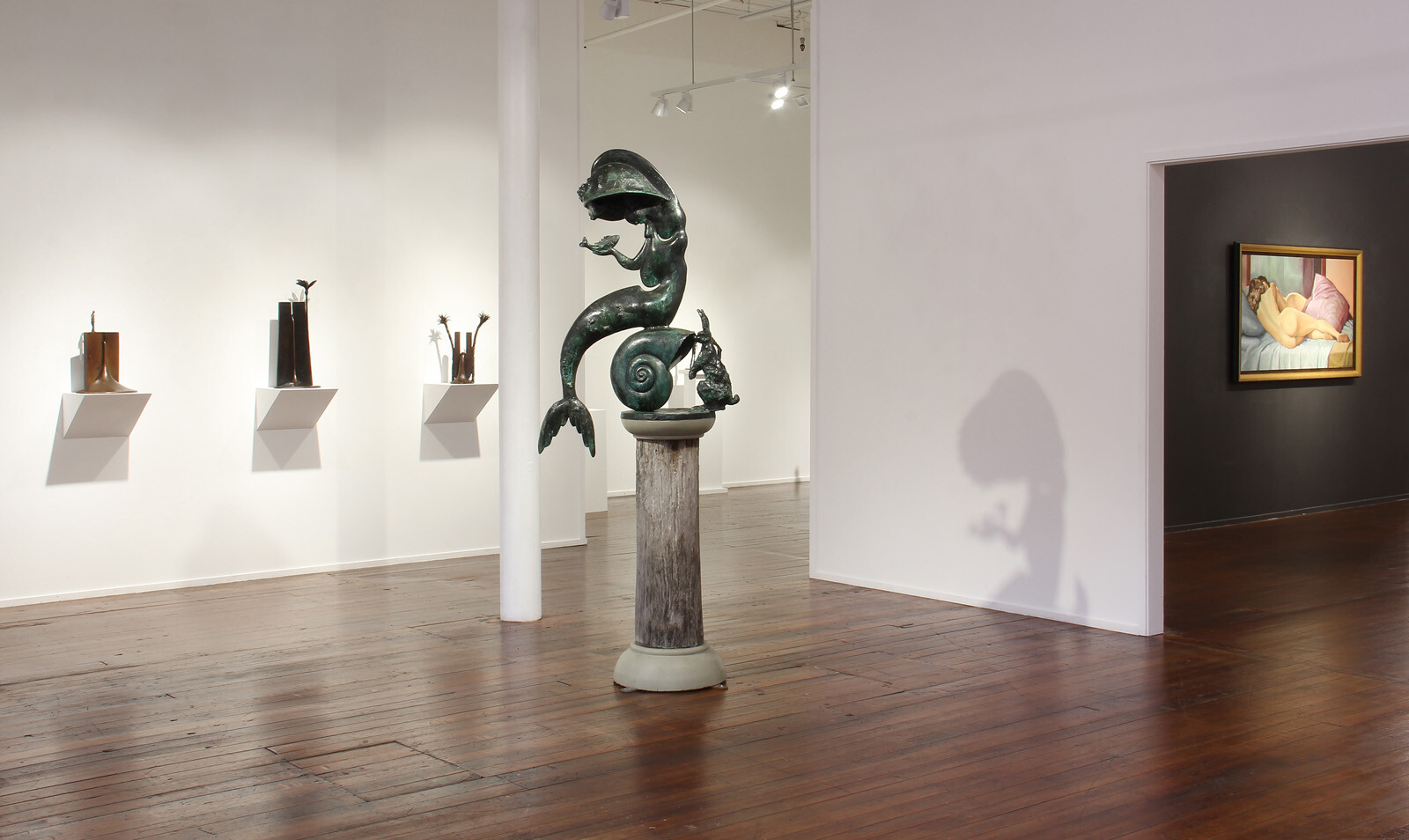
Looking and Listening for the Sea: Monument to the Hinterlands (1992)
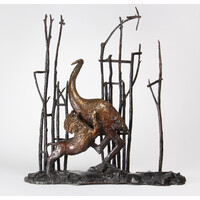
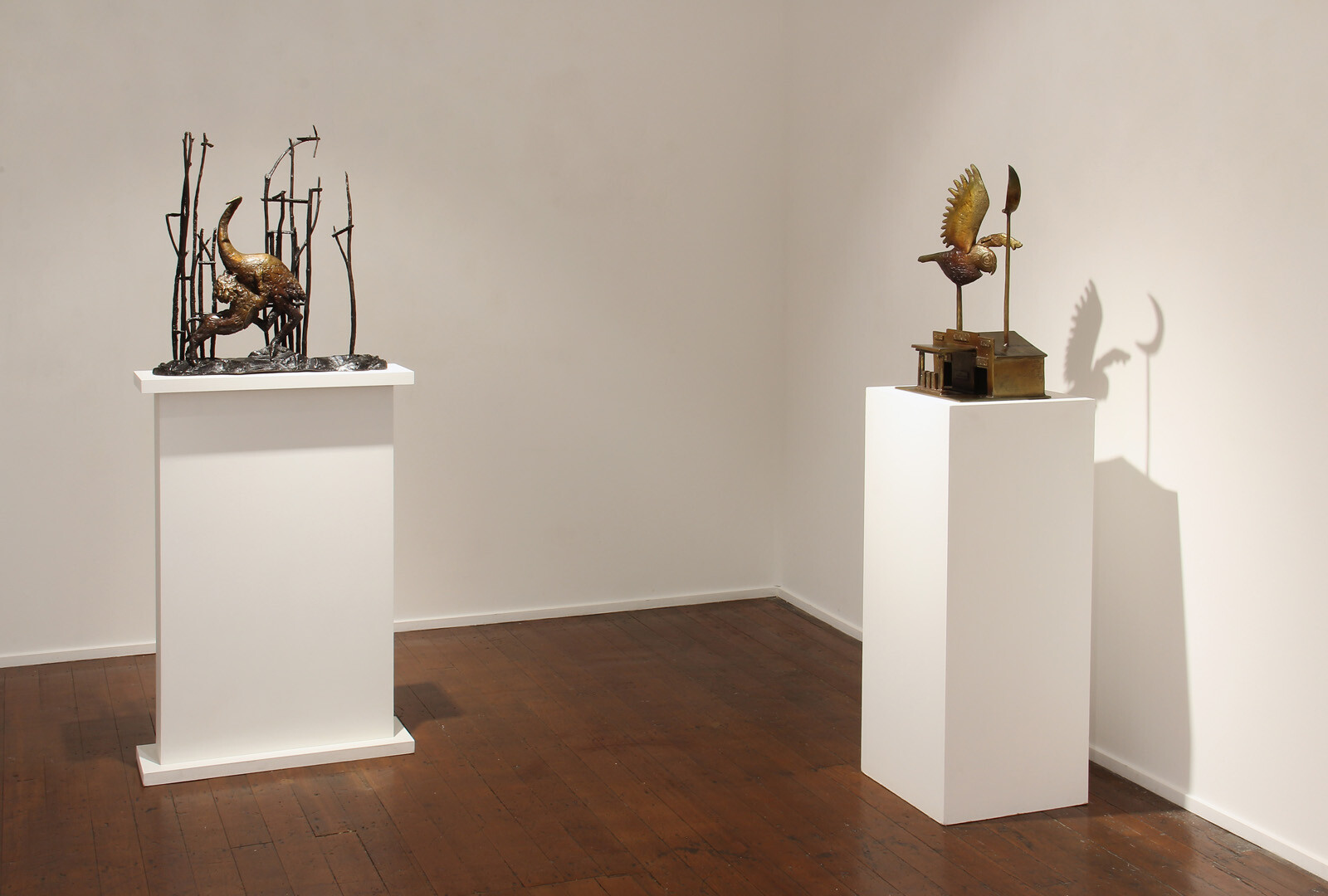
Lion Attacking Moa (Study 1) (2006)
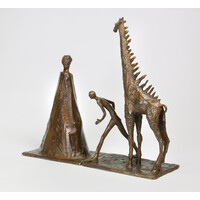
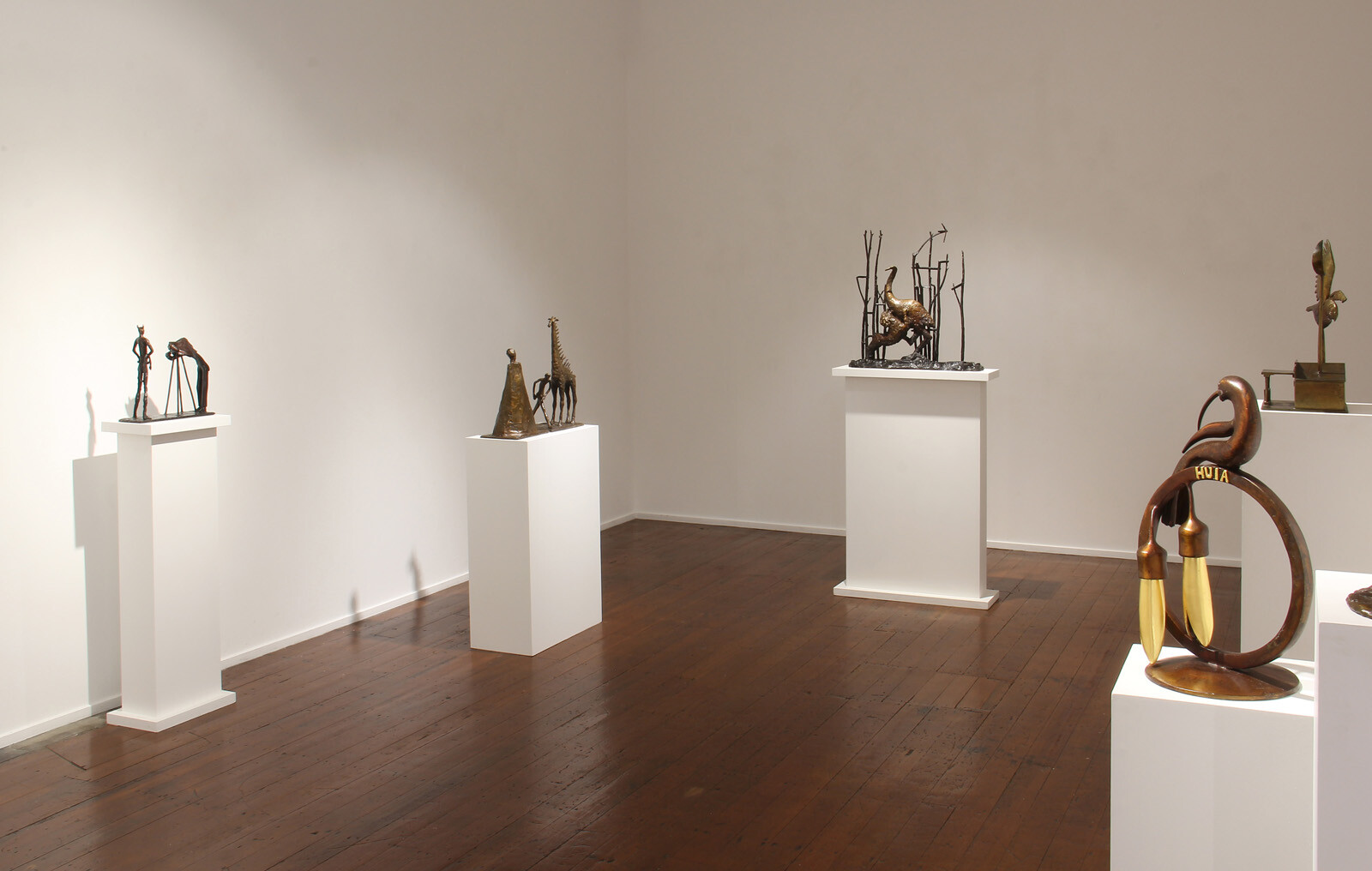
Land of Impending Change (Model 3) (2022)
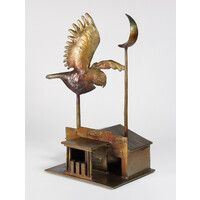
24 Hour Service (2005)

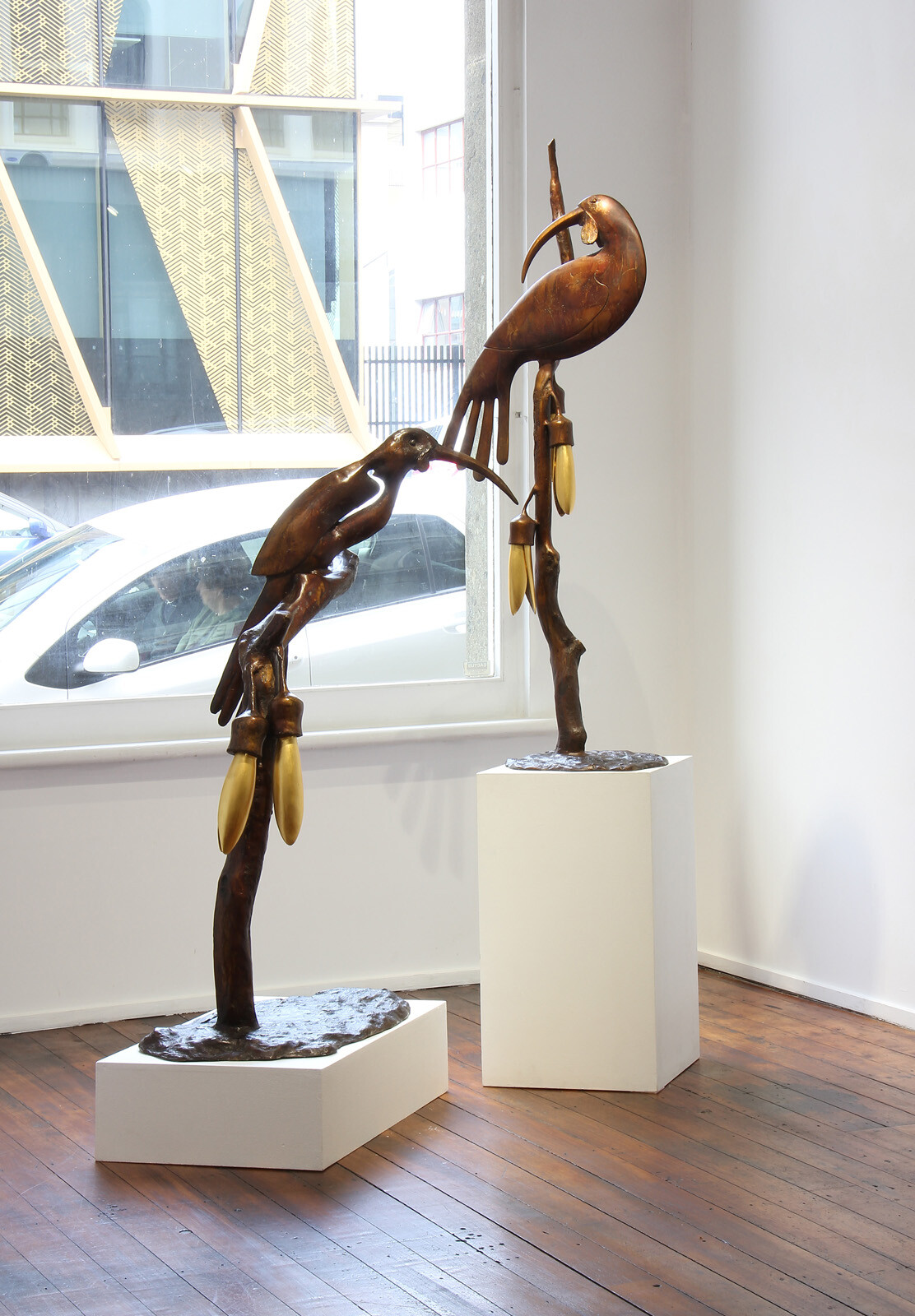
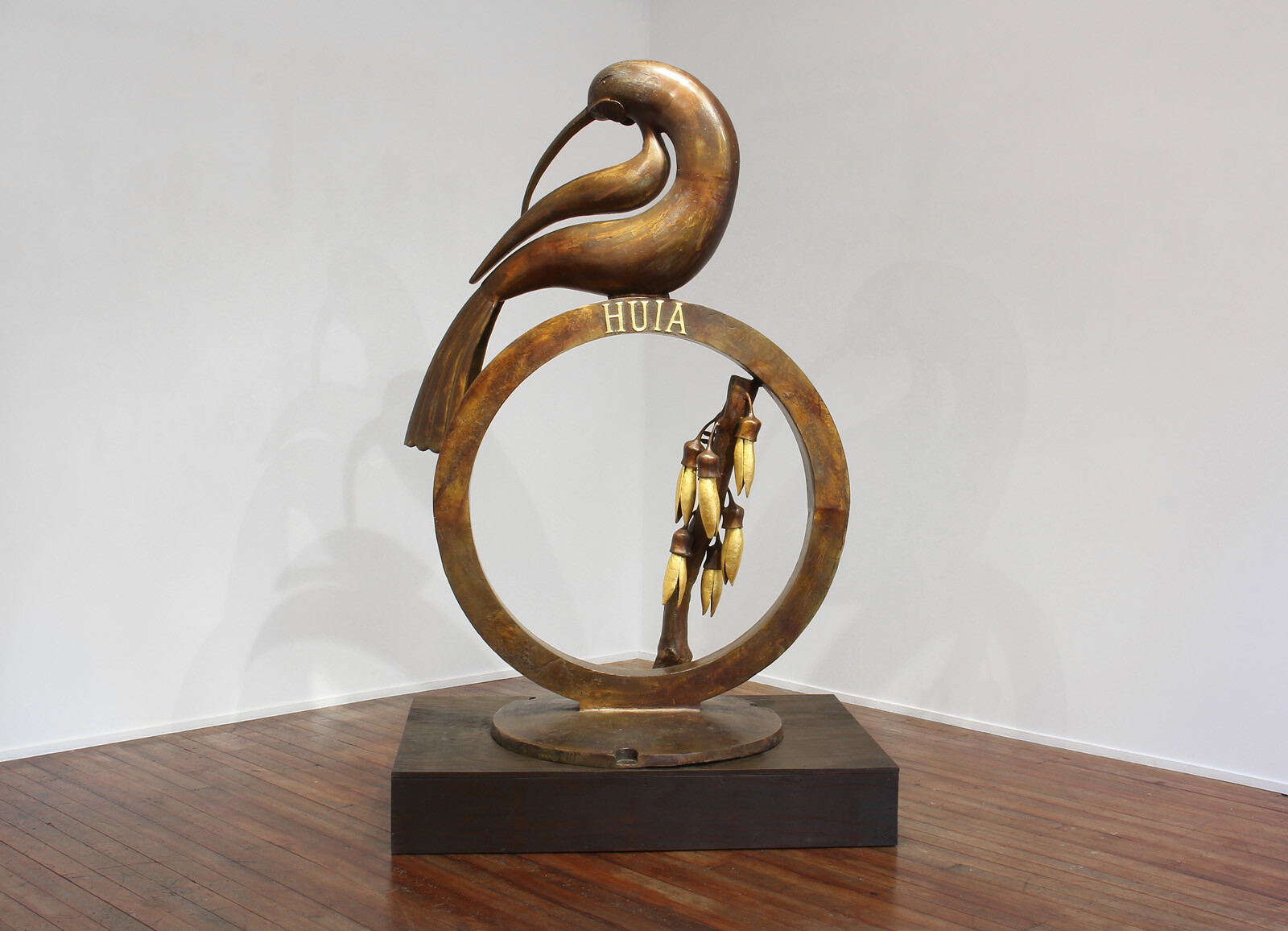
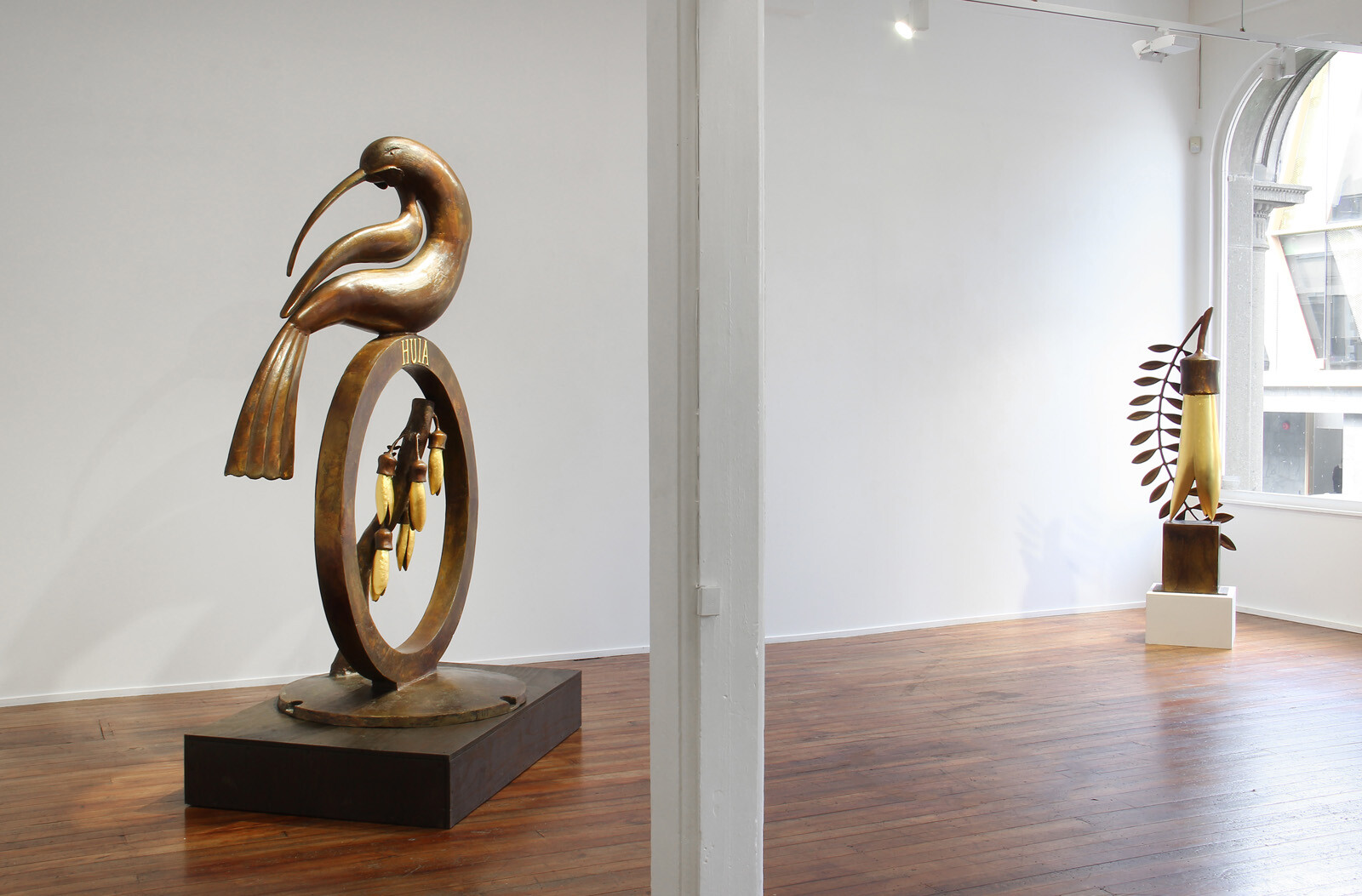
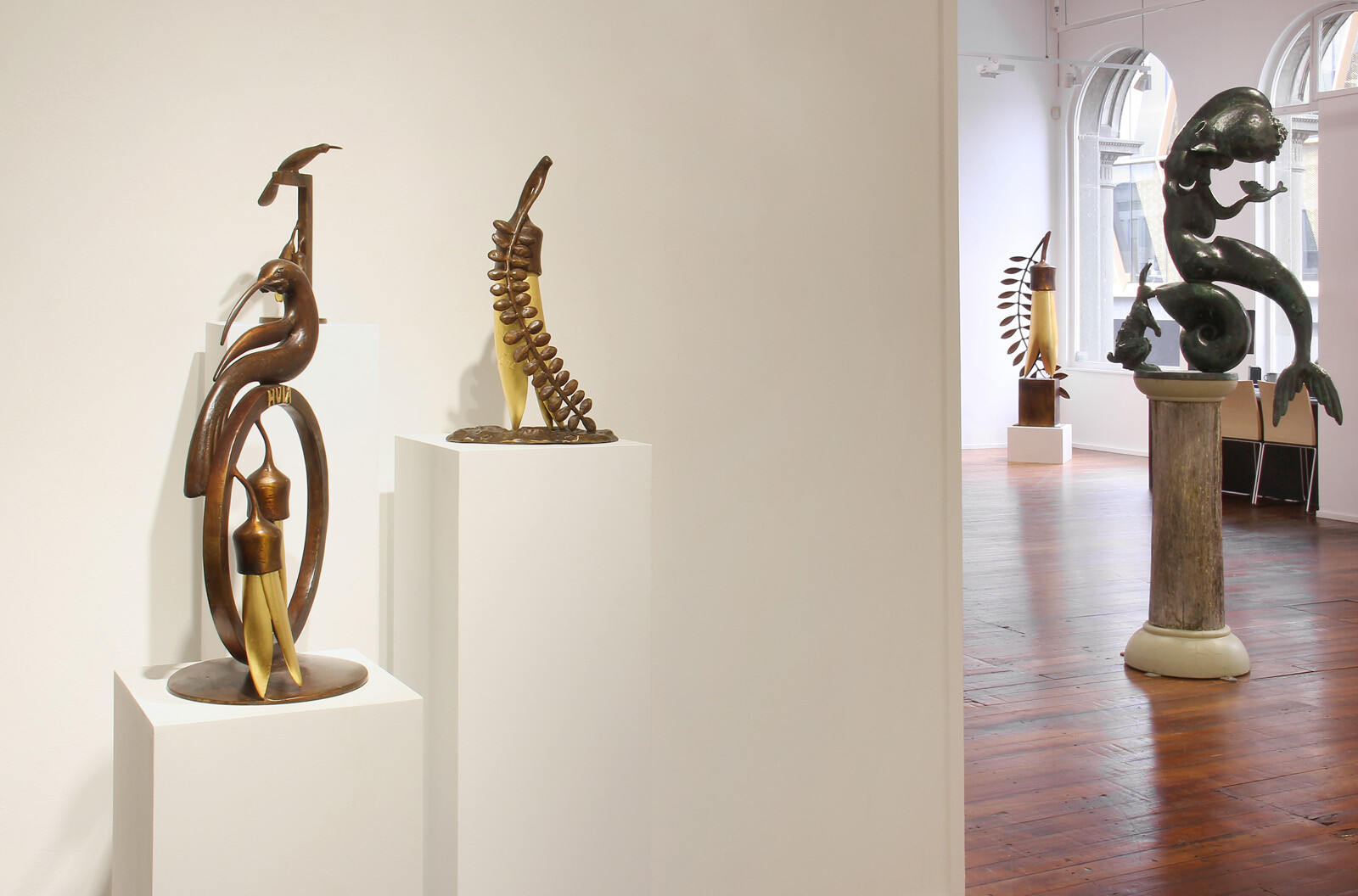
Huia Sings Alone 1 (2023)
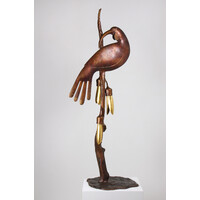
Huia Sings Alone 2 (2023)

The Lost Garden (2023)

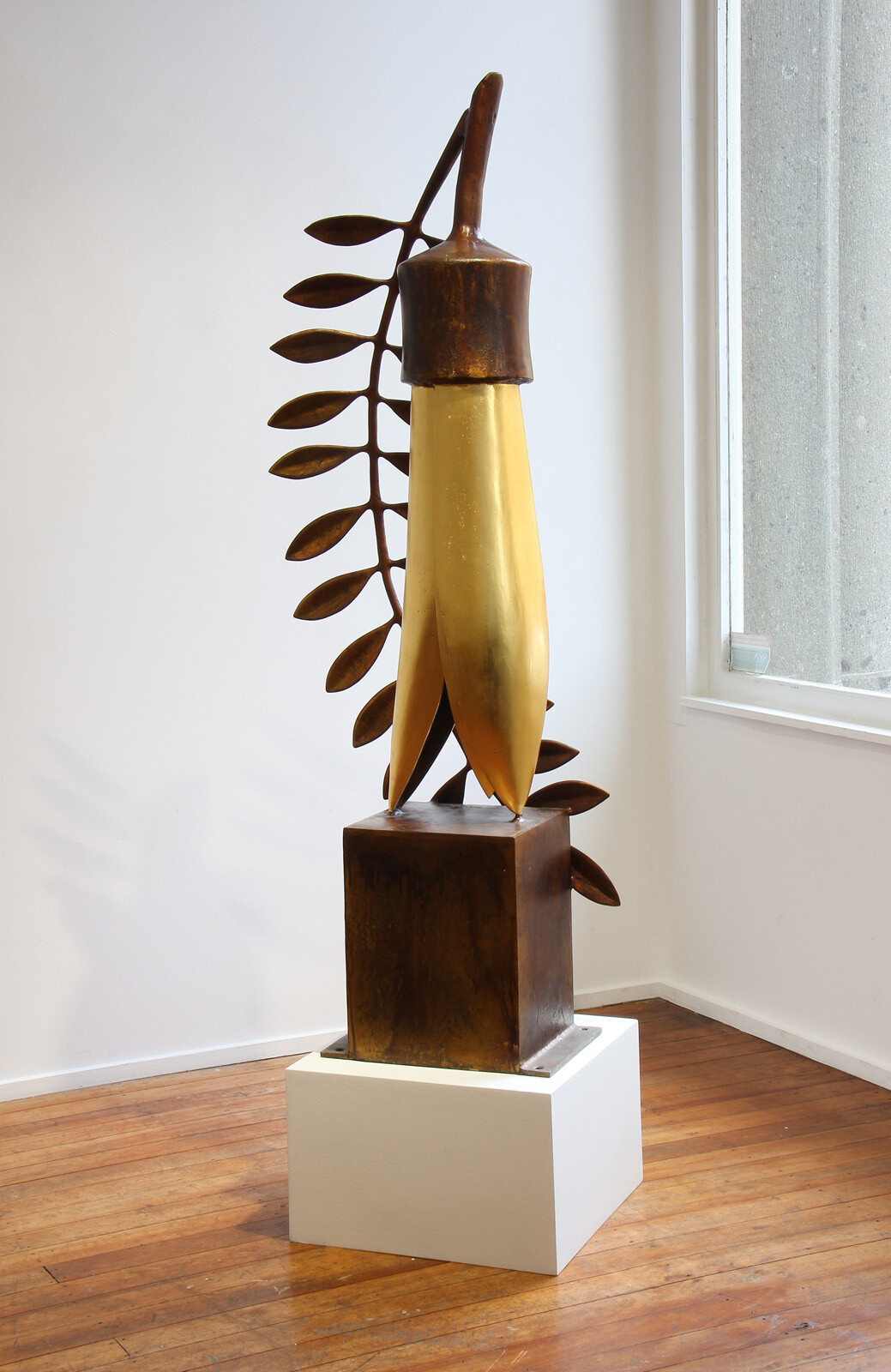
Standing Kōwhai (2023)

Listening to Stillness (2023)
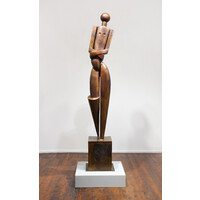
A Moment (2023)
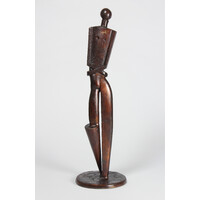
A Moment (Model) (2023)
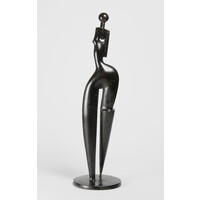
Holding the Balance (Model) (2023)
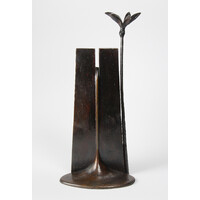
Our Symbols (2020)
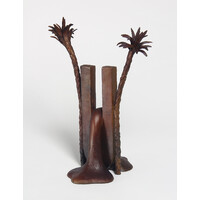
Baptism of the Land (2019)

The Scale of This Land (2019)

A Miraculous Image (2007)
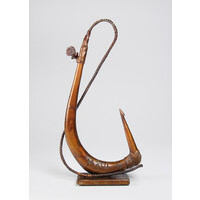
The Quest for Immortality (Model) (2023)
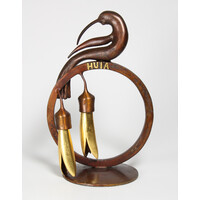
The Lost Garden (Model) (2023)
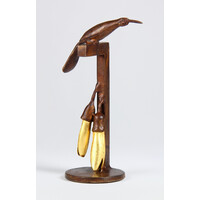
A Small Piece of the Garden (2023)

The Glow of the Kōwhai (2023)
Exhibition Text
The 2023 death of Paul Dibble robbed New Zealand of one of its foremost sculptors, an artist whose works are among the country's art taonga, created over the artist's long career. The bronze works, grounded in figuration but with a distinctive stylised twist that is instantly recognisable, are perhaps best known in the form of his large public works, located around New Zealand and most prominently in his hometown of Palmerston North. His work is also found overseas, notably in the New Zealand War Memorial in London's Hyde Park.
While best-known for these large works, Dibble's more domestic-scaled pieces are equally memorable, many of them focusing on the artist's repeated motifs of New Zealand birds and plants. The extinct huia in particular plays an important role in Dibble's work, not only as a symbol of iconic New Zealand fauna, but also as an ecological memento mori, a reminder of the preciousness and fragility of our environment.
Another distinctive recurring image is the kōwhai bloom, displayed in massive, gilded glory, the gold coating forming a strong counterpoint to the rich bronze of branches and leaves. As with the huia, we come face to face with an icon of New Zealand presented in an unusual way so as to throw us off guard and make us re-examine the familiarity of the bloom.
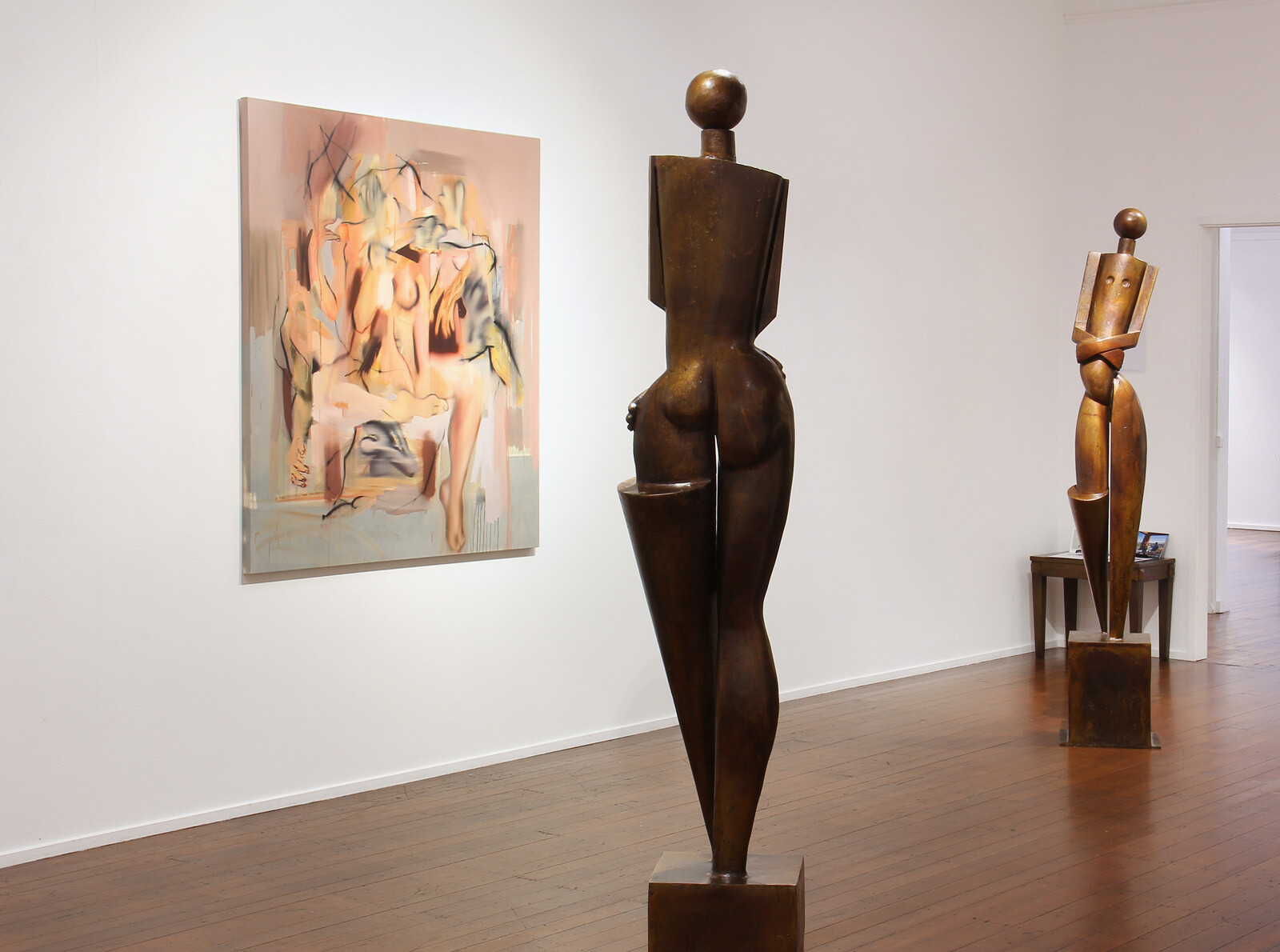
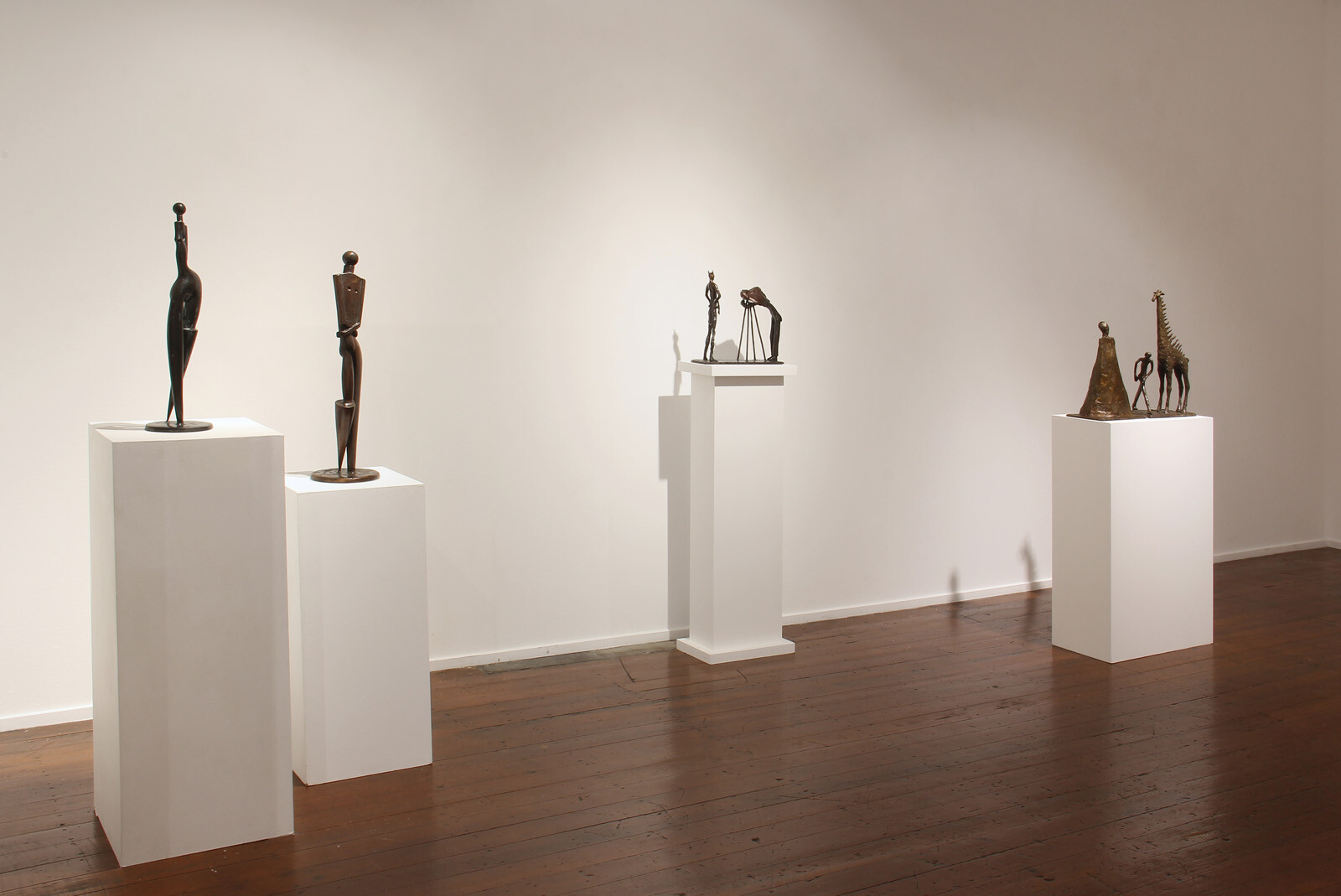
Overseas art receives a nod in several of Dibble's works. Mannequin-like figures tapering into cones, here represented by works such as A Moment (2023) and Listening to Stillness (2023) are reminiscent of the early 20th-century metaphysical art of De Chirico. Salvador Dali is also acknowledged in the giraffe and figure of Land of Impending Change (Model 3) (2022).
Early 20th-century surrealism by artists such as Max Ernst was also a likely inspiration for the artist's mysterious yet spellbinding juxtapositions of natural and mythological forms, here represented by the early work Looking and Listening for the Sea: Monument to the Hinterlands (1992).
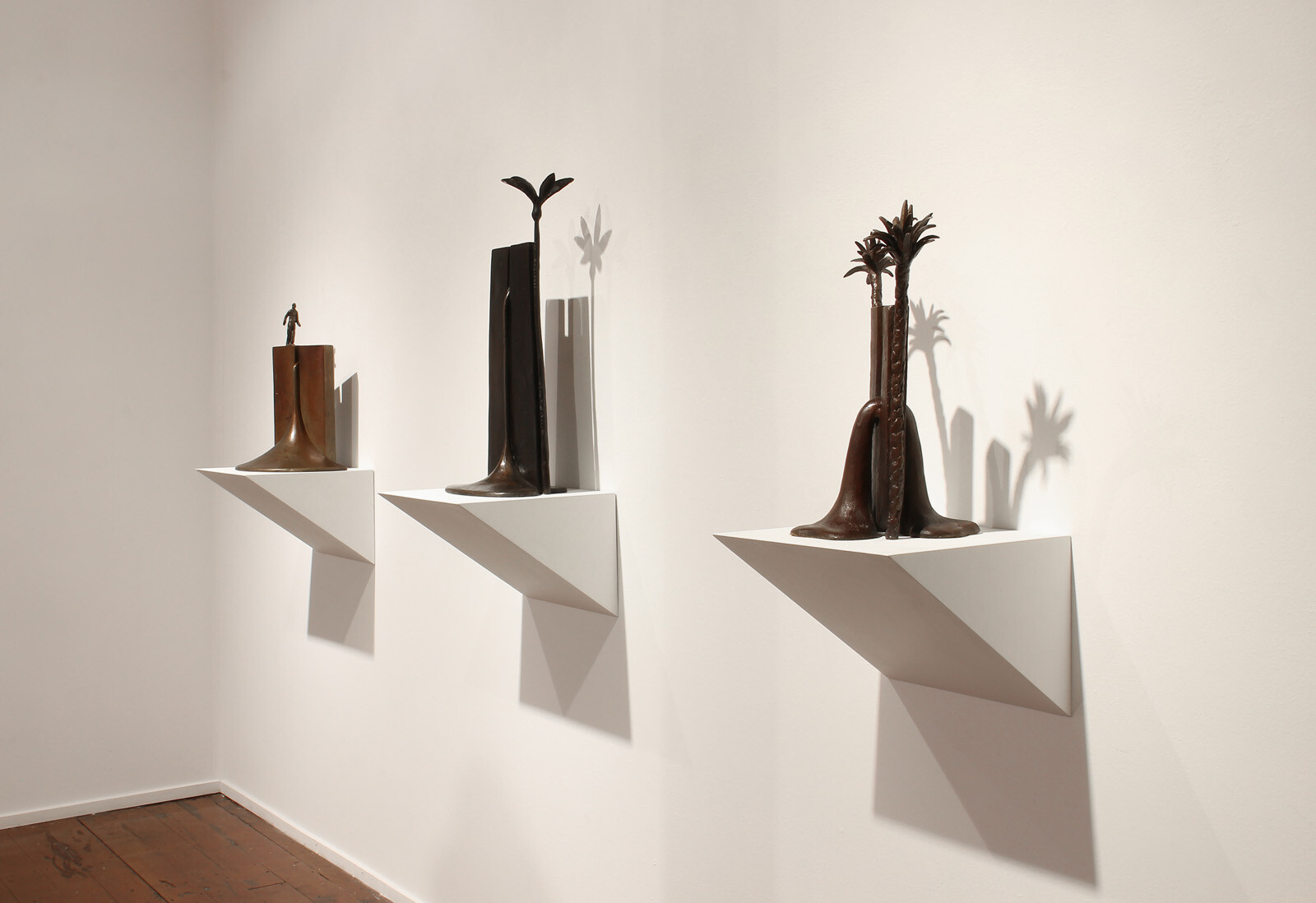
Dibble's personal visual language extended into other forms, many of them with a specifically New Zealand vernacular, several of which are also present in this retrospective display. One of the artist's final works, the poignantly titled The Quest for Immortality (Model) (2023), features the form of a hei matau, a traditional Māori fish hook. Stylised waterfalls also became recurring features of many of the artist's last works, the form of their symbolic flow fitting well with images from iconic New Zealand artists such as McCahon.
It is no surprise that one of these waterfalls, posed alongside an equally stylised nikau palm, is simply titled Our Symbols (2020). For these are our symbols, distinctly of this place, our turangawaewae. Icons of a nation and simultaneously a mirror into which we must look to judge who we really are and what we have done. The works force us to engage in an ongoing narrative of the history of these islands, what they were, what they are, and our possible paths to the future. The huia, the ghost of Aotearoa past, is watching and judging.
Presented in partnership with Te Kano Estate.

Exhibition Views
All images and text copyright © 2026 the Artists & Milford Galleries Ltd.