Miranda Joseph Exhibitions
Artists
Exhibition Works
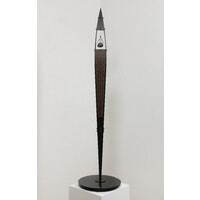
Graham Bennett
Insight 1 (2008/24)
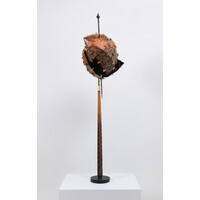
Graham Bennett
Precipice (2024)
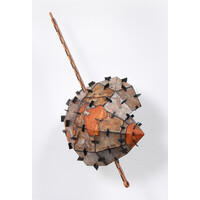
Graham Bennett
Denial (2025)
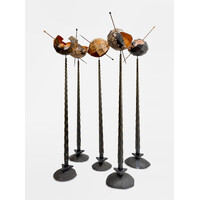
Graham Bennett
Fracture 2 - PRECIPICE I-V (2024/25)

Chris Heaphy
Kotuku Waits (2016)

Chris Heaphy
Feelings Stay the Same (2024)

Chris Heaphy
All We Ever Wanted (2023)

Chris Heaphy
Perfect Day (2018)

Chris Heaphy
Once in a Lifetime (2017)

Chris Heaphy
Just Like Heaven (2018)

Chris Heaphy
Here Comes the Sun (2018)

Chris Heaphy
Wonderful Wonderful (2018)

Miranda Joseph
Midnight Blossom (2024)
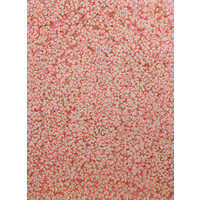
Miranda Joseph
Hanami Blossom (2024)
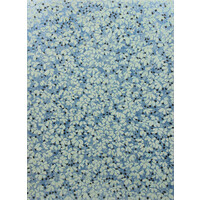
Miranda Joseph
Moonlight Blossom (2025)
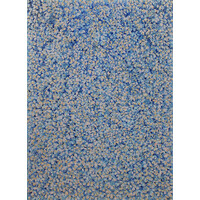
Miranda Joseph
Blue Blossom (2024)
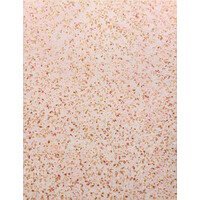
Miranda Joseph
Rose Blossom (2025)
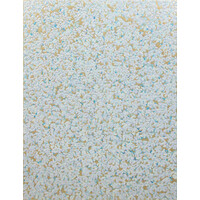
Miranda Joseph
Emperor Blossom (2025)
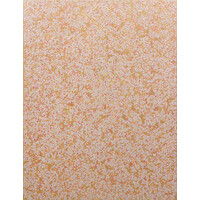
Miranda Joseph
Candy Blossom (2025)
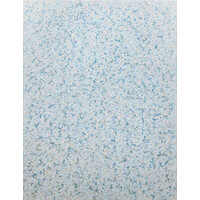
Miranda Joseph
Opalescent Blossom (2025)
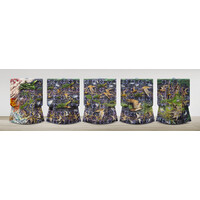
Yuki Kihara
サ–モアのうた (Sāmoa no Uta) A Song About Sāmoa - Tūlī's Flight (2023)

Aiko Robinson
__and__Up a Tree F-U-C-K-I-N-G (2017)

Aiko Robinson
Love Looks Not with the Eyes (2018)

Aiko Robinson
Nuts Growing in Trees (2017)

Aiko Robinson
Colours of the Bedroom 1 (2019)

Aiko Robinson
Colours of the Bedroom 4 (2019)

Aiko Robinson
Losing My Mind (2014)

Aiko Robinson
Like Diving for Pearls (2015)

Aaron Scythe
Assorted Vessels, 2023
![Yobitsugi Style Large Gourd Vase [26633]](https://d1poczgreawftx.cloudfront.net/4/w26633_scytheaaron_scyta26633yobitsugistylelargegourdvase%282023%2901.jpg?i=104031)
Aaron Scythe
Yobitsugi Style Large Gourd Vase [26633] (2023)
![Yobitsugi Style Tea Pot [26161]](https://d1poczgreawftx.cloudfront.net/4/w26161_scytheaaron_scyta26161yobitsugistyleteapot%282023%2901.jpg?i=101888)
Aaron Scythe
Yobitsugi Style Tea Pot [26161] (2023)
![Oribe and Kizeto Large Vase [26167]](https://d1poczgreawftx.cloudfront.net/4/w26167_scytheaaron_scyta26167oribeandkizetolargevase%282023%2901.jpg?i=101886)
Aaron Scythe
Oribe and Kizeto Large Vase [26167] (2023)
![Yobitsugi Style Water Container (Round) [15-1]](https://d1poczgreawftx.cloudfront.net/4/w23913_scytheaaron_scyta23913yobitsugistylewatercontainer%28round%29%5B15-1%5D%282020%2901.jpg?i=94998)
Aaron Scythe
Yobitsugi Style Water Container (Round) [15-1] (2020)
![Iro-Shino Oribe Large Donut Vase [26607]](https://d1poczgreawftx.cloudfront.net/4/w26607_scytheaaron_scyta26607iro-shinooribelargedonutvase%282023%2901.jpg?i=103998)
Aaron Scythe
Iro-Shino Oribe Large Donut Vase [26607] (2023)
![Yobitsugi Style Oribe Bottle [26618]](https://d1poczgreawftx.cloudfront.net/4/w26618_scytheaaron_scyta26618yobitsugistyleoribebottle%282023%2901.jpg?i=104014)
Aaron Scythe
Yobitsugi Style Oribe Bottle [26618] (2023)
![Yobitsugi Style Water Container [10-2]](https://d1poczgreawftx.cloudfront.net/4/w23899_scytheaaron_scyta23899yobitsugistylewatercontainer%5B10-2%5D%282020%2901.jpg?i=94801)
Aaron Scythe
Yobitsugi Style Water Container [10-2] (2020)
Exhibition Text
Shaped by impermanence, space, and exchange, Floating Worlds explores the art practices of six artists deeply connected with Japan through lived experience, relationships, and cultural identity.
Their unique and distinctively hybrid bodies of work explore connections, similarities and differences between Japan and New Zealand, generating dialogues about the evolving nature of culture and the environment - extending these conversations beyond our borders into the wider Pacific and across the globe.
Drawing on the concept of the “Floating World” (ukiyo), which emerged during the Edo period (1603–1868) in Japan, the exhibition finds beauty and joy in transience. Just as ukiyo embraced living in the present moment, Floating Worlds highlights impermanence and the ever-changing nature of culture, identity, and the natural world as continually shifting and in flux.
Aiko Robinson draws on the tradition of Japanese shunga (Spring Pictures), which flourished in the Edo period and celebrated sexuality in its many forms. Evoking the ideals of shunga artists, her work explores parallels and contrasts with contemporary ideas about erotica, while highlighting themes of pleasure, intimacy, and humour.
Chris Heaphy emphasises the contingent and unfixed nature of identity, inviting viewers to interpret and reinterpret the work through their own perspectives and experiences. Using symbols, including artifacts, flora, and fauna from Japan and New Zealand, Heaphy generates cross-cultural pictorial narratives in which meanings shift back and forth.
Aaron Scythe’s ceramics reflect a fusion of traditions and cultural influences, inspired by his diverse sense of home. Having lived in Japan for 16 years he has now returned to Aotearoa New Zealand. Scythe’s vessels are a hybrid of place, highlighting how lived experience and cultural exchange shape identity.
“Immersive and suggestive, fluxing and momentary,”1 Miranda Joseph employs the cherry blossom as a visual and conceptual conduit, evoking the fleeting nature of time and perception. Through light, colour, and form, she captures a moment, rendering the experience of the natural world as both shared and deeply personal.
Extending across five siapo kimono, Yuki Kihara’s サ-モアのうた Song About Samoa – Tūlī’s Flight (2023) depicts the flight of the golden plover above aerial maps of New Zealand, Sāmoa, and Japan. While exploring trans-Pacific social connections, histories, and identity, Kihara positions the Pacific “at the forefront of change and right in the eye of the storm… directly addressing climate mobility, portable sovereignty, and the inequalities of climate change.”2
Graham Bennett’s Fracture is a body of work created during a three-month residency in Japan in 2024. His literal “floating worlds” suggest we are heading towards an environmental and social precipice, showing the world “hanging in the balance within a community of pinned and precarious worlds standing apart”.3 He challenges us as Pacific nations to consider: do we stand apart or together in finding solutions?
1. Stephen Higginson, Miranda Joseph: Painting Blossoms, exhibition text, 2025.
2. Stephen Higginson, Yuki Kihara, サ-モアのうた (Sāmoa no Uta) A Song About Sāmoa - Tūlī's Flight, exhibition text, 2024.
3. Graham Bennett, Installation Concept: Fracture, Artist in Residence report, Caju, Japan, 2024.
Presented in partnership with Te Kano Estate.

All images and text copyright © 2026 the Artists & Milford Galleries Ltd.