Past Exhibitions
Exhibition Works
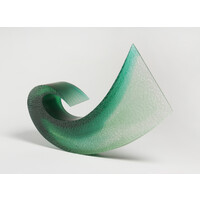
Emerge 14 (2023)
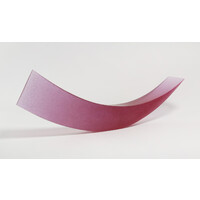
Subtle (2025)

Surf 8 (2023)
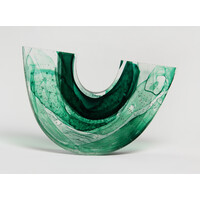
Exploring Inside the Bubble (2022)
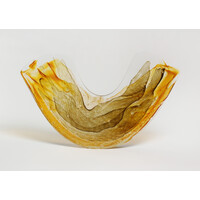
Exploring Inside the Bubble 3 (2026)
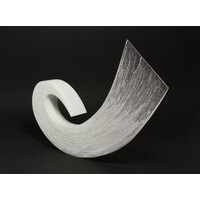
White Squall 26 (2025)
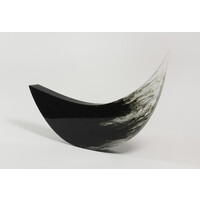
Merla 6 (2025)
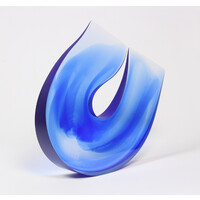
Blew 5 (2022)
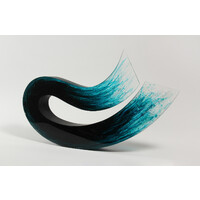
Meander 4 (2025)
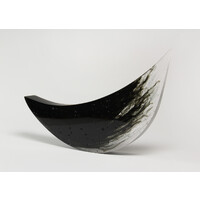
Merla 5 (2025)
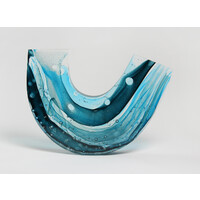
Exploring Inside the Bubble 2 (2026)
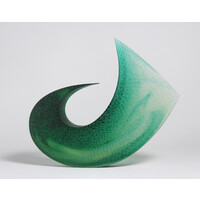
Emerge 15 (2024)
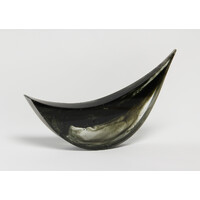
Merle 6 (2025)
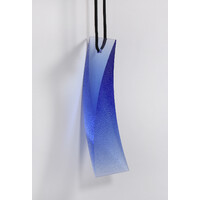
Charm 2 (2024)
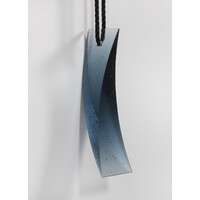
Charm 1 (2024)
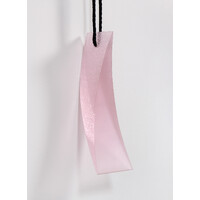
Charm 3 (2024)
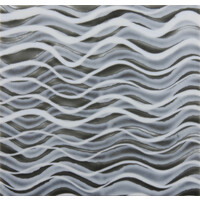
Ripple (2022)
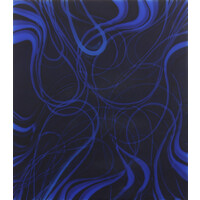
Delve (2022)
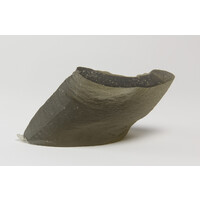
Single Use X (2022)
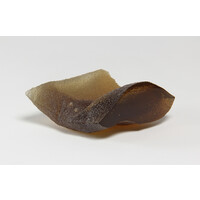
Single Use 13 (2022)
Exhibition Views
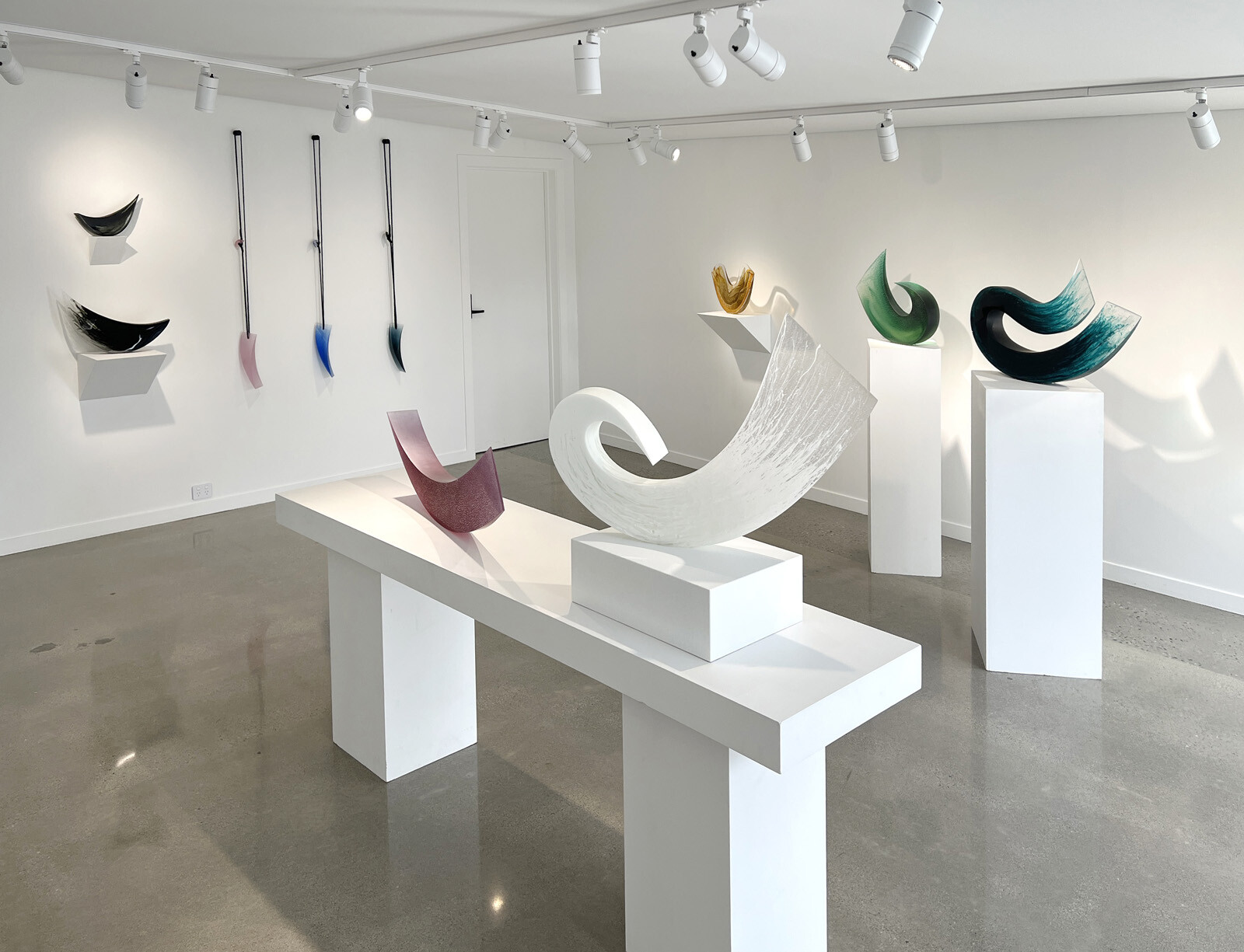
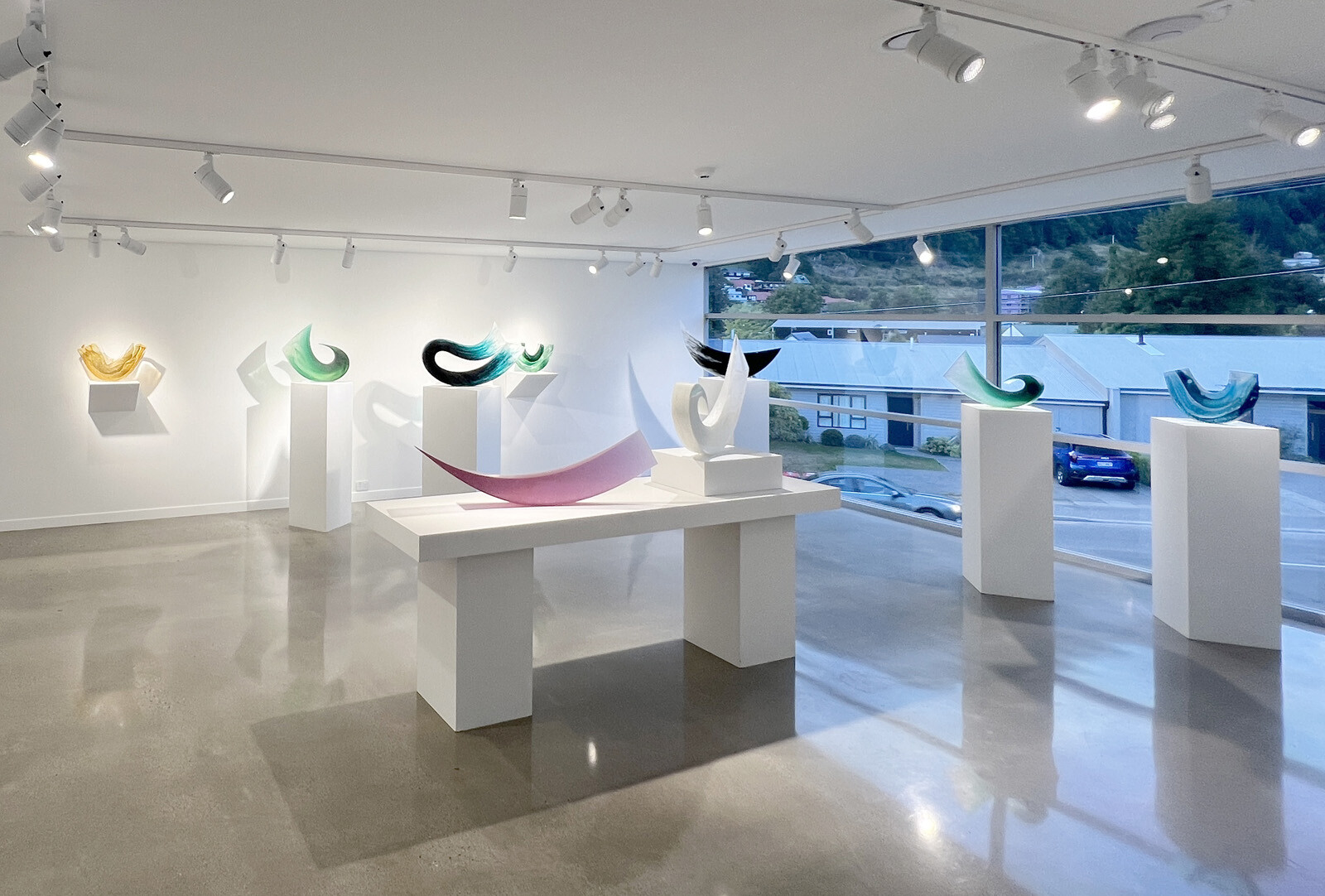
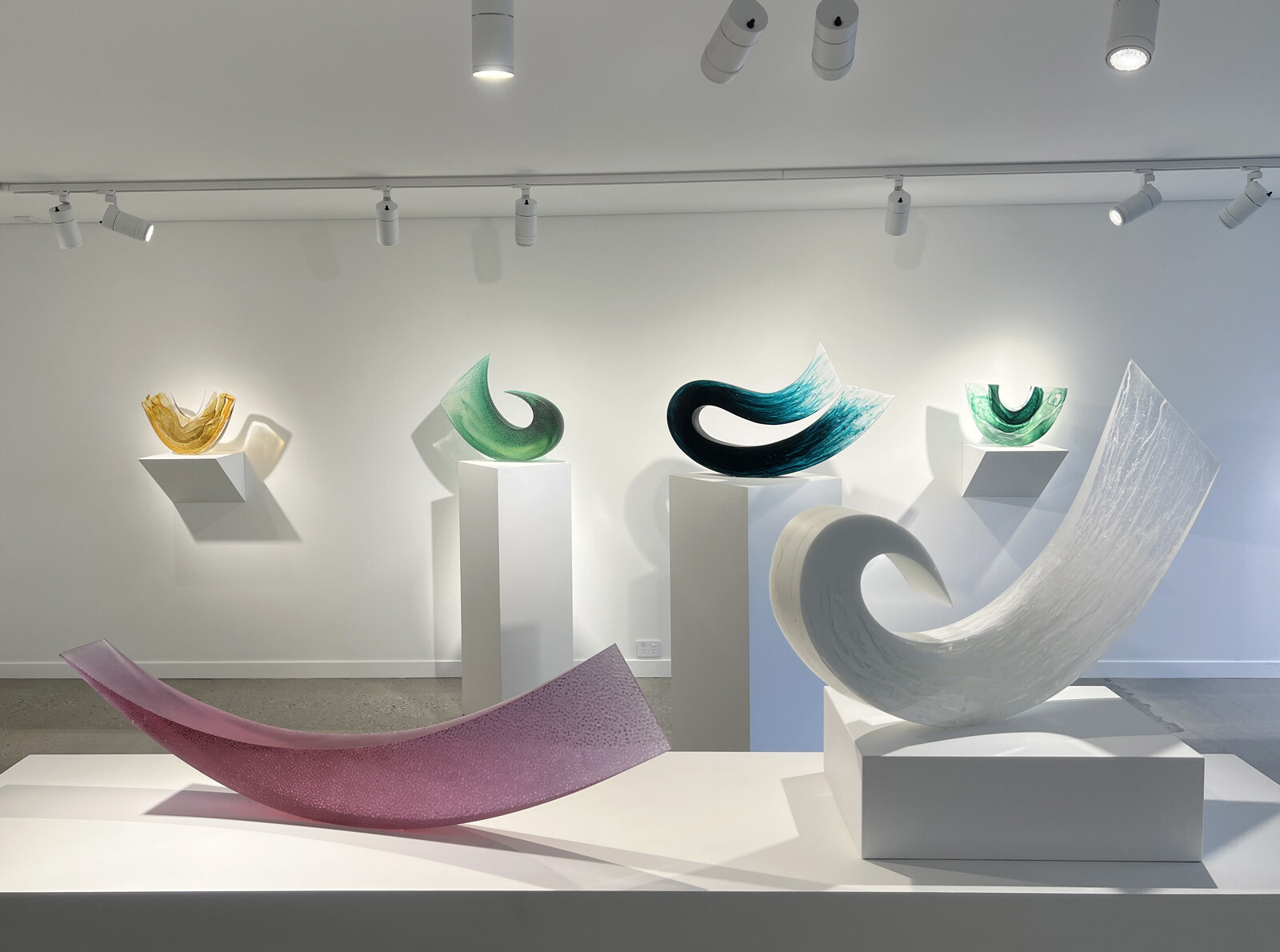
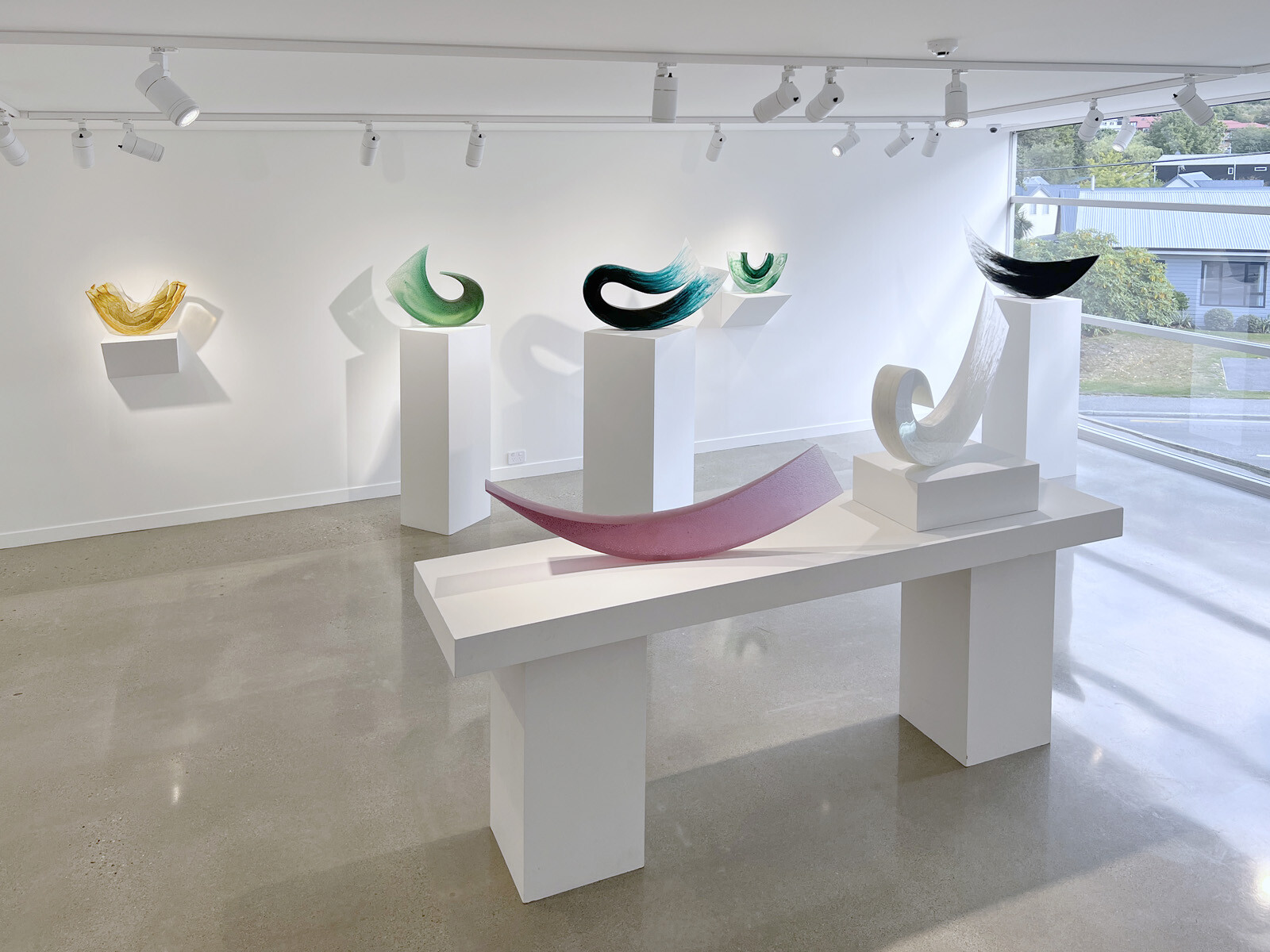
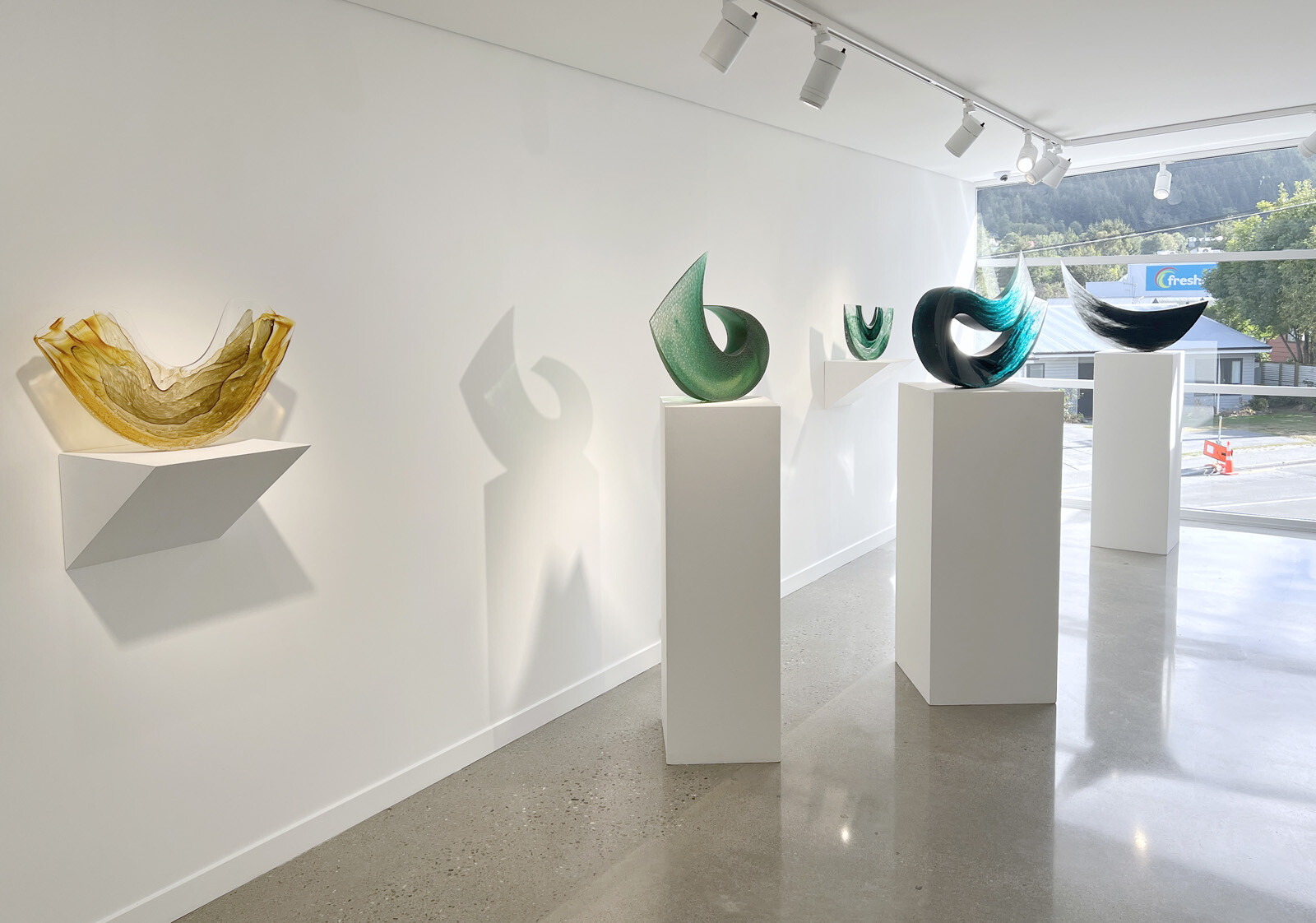
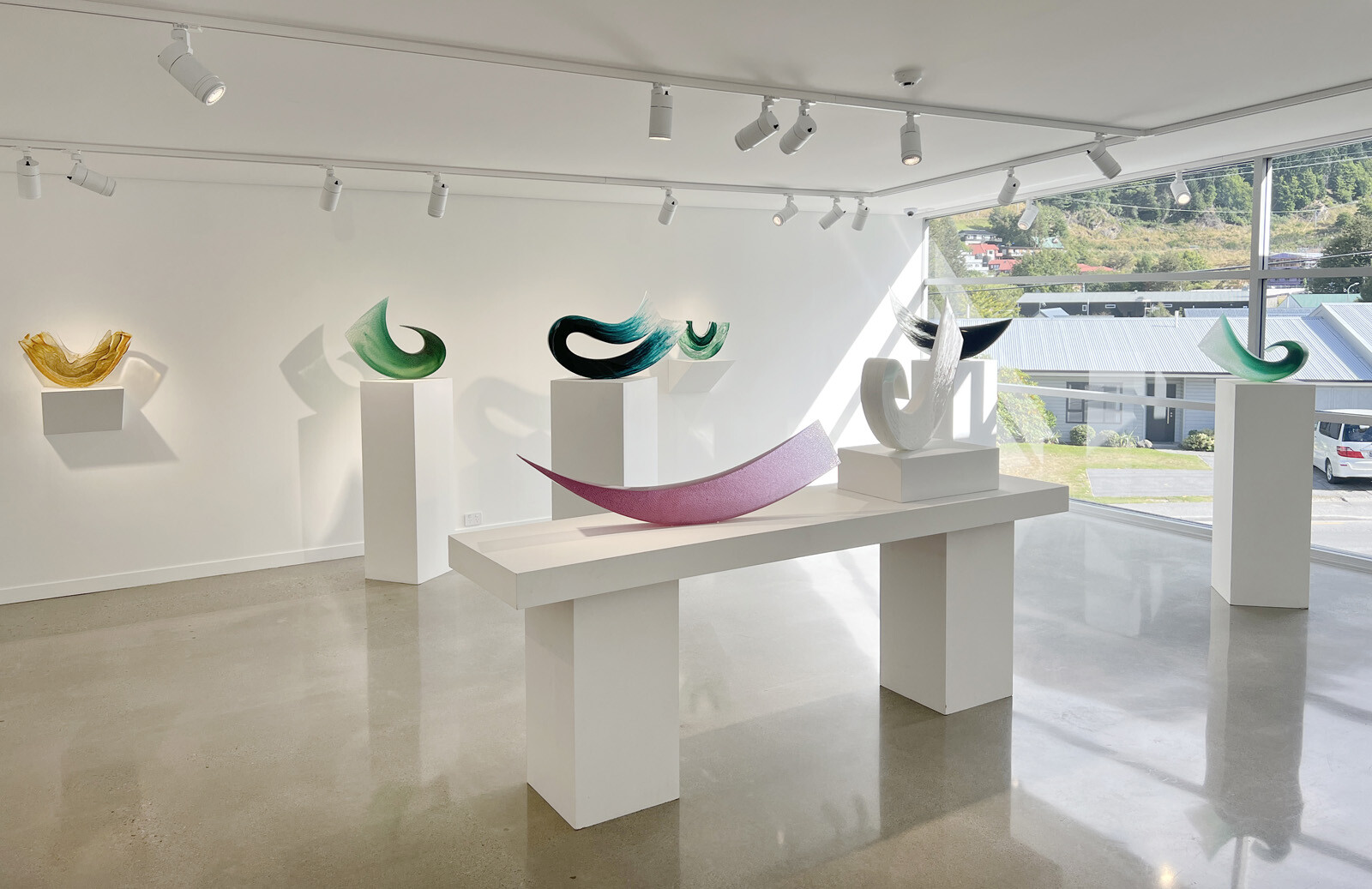
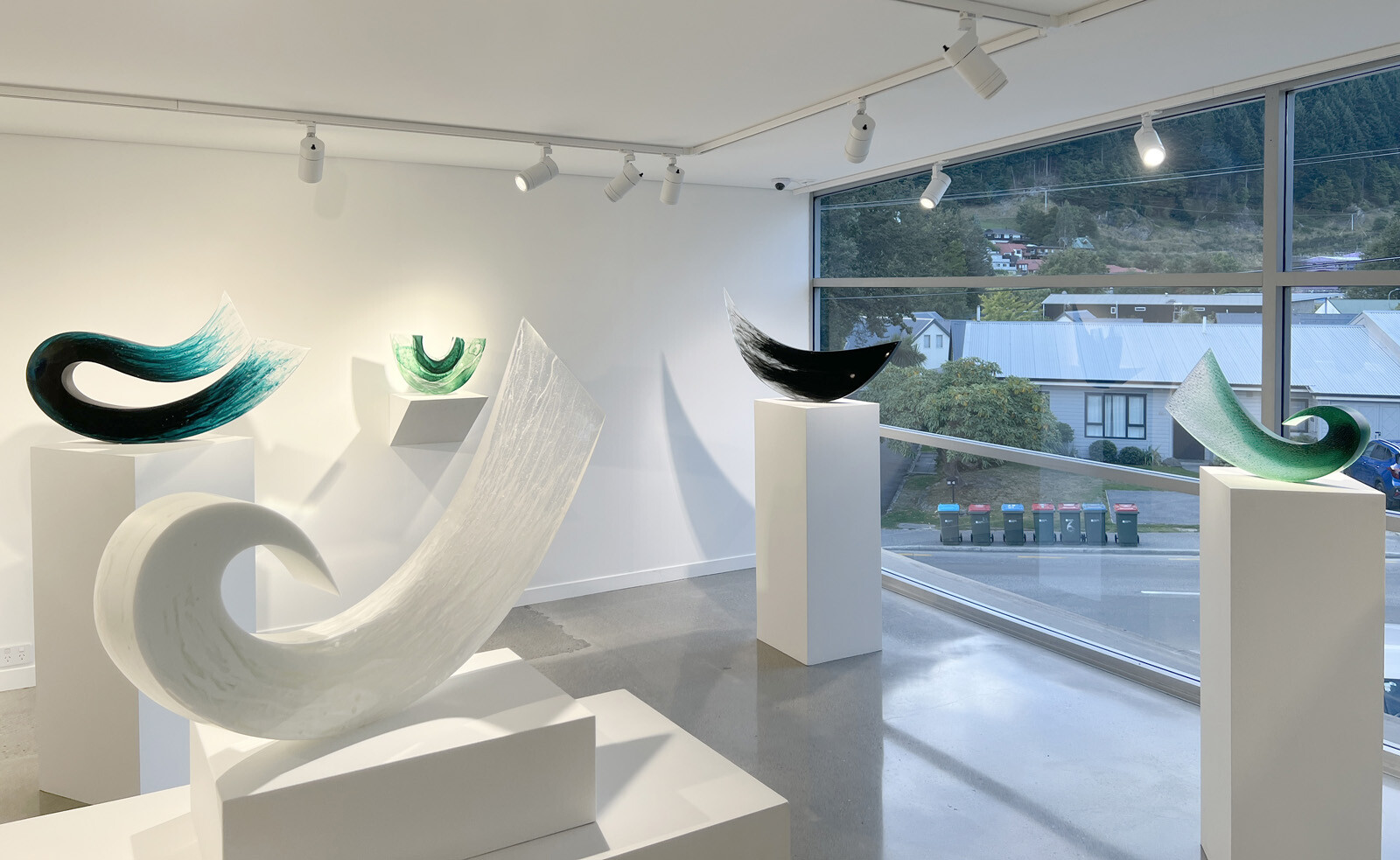
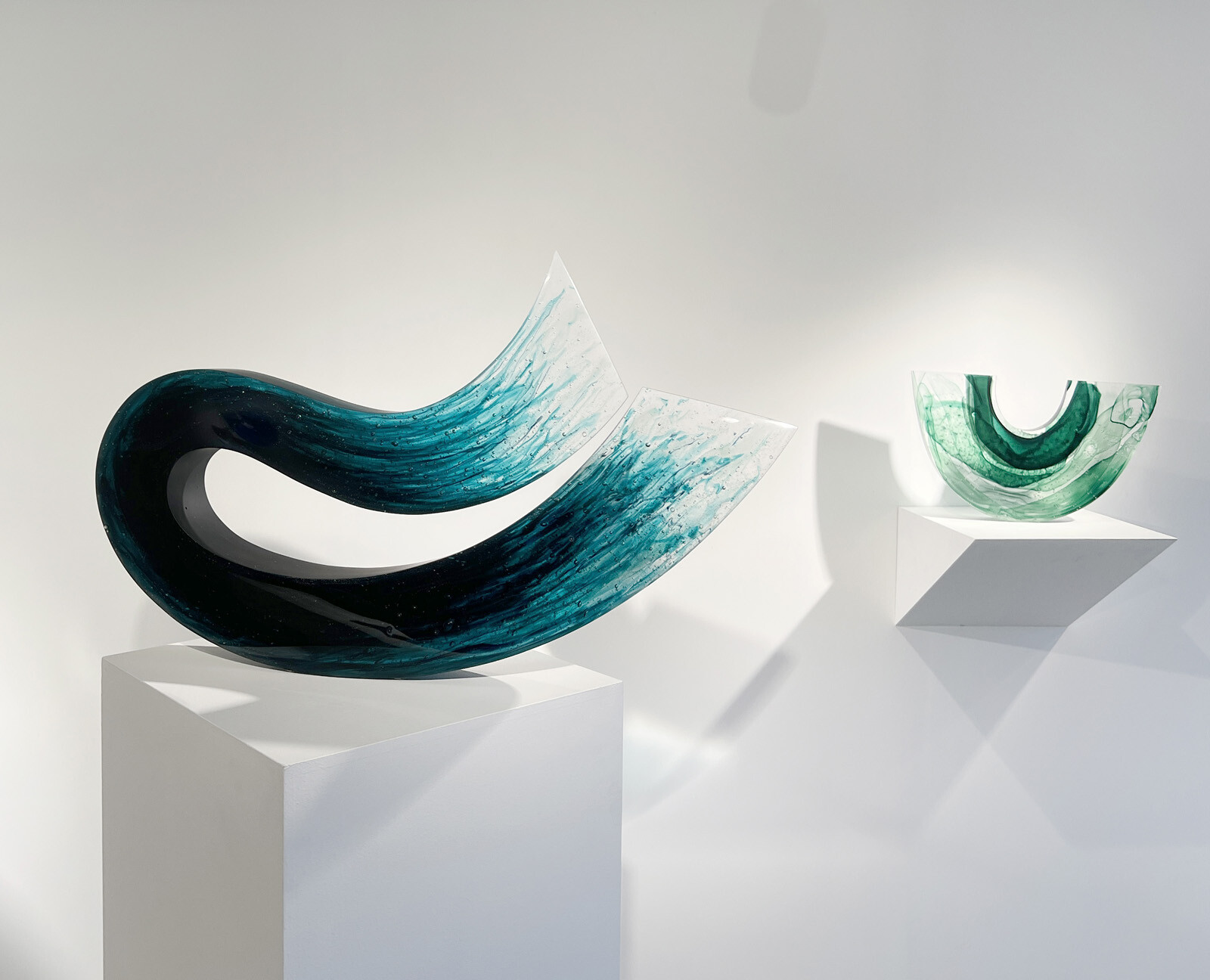
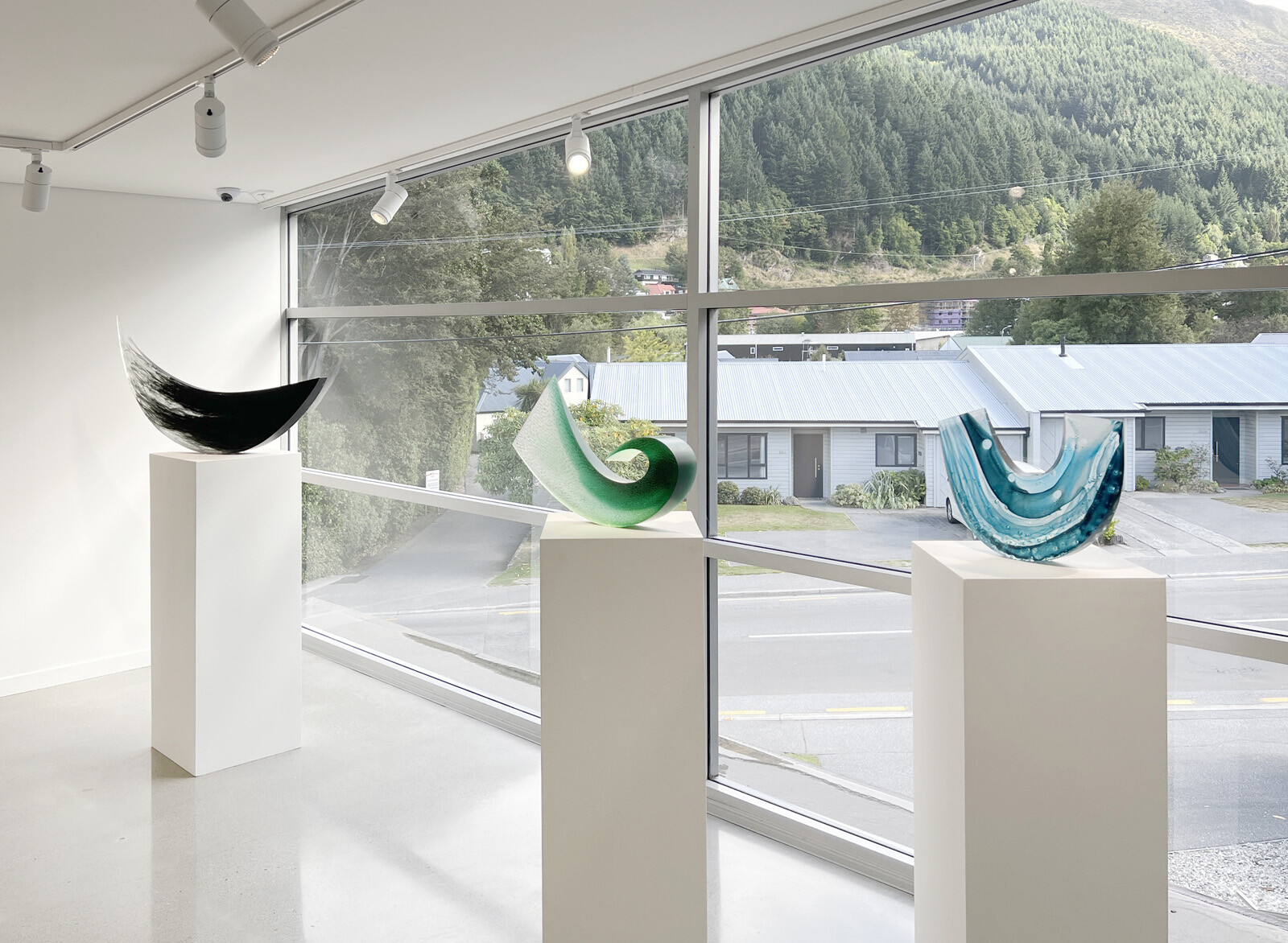
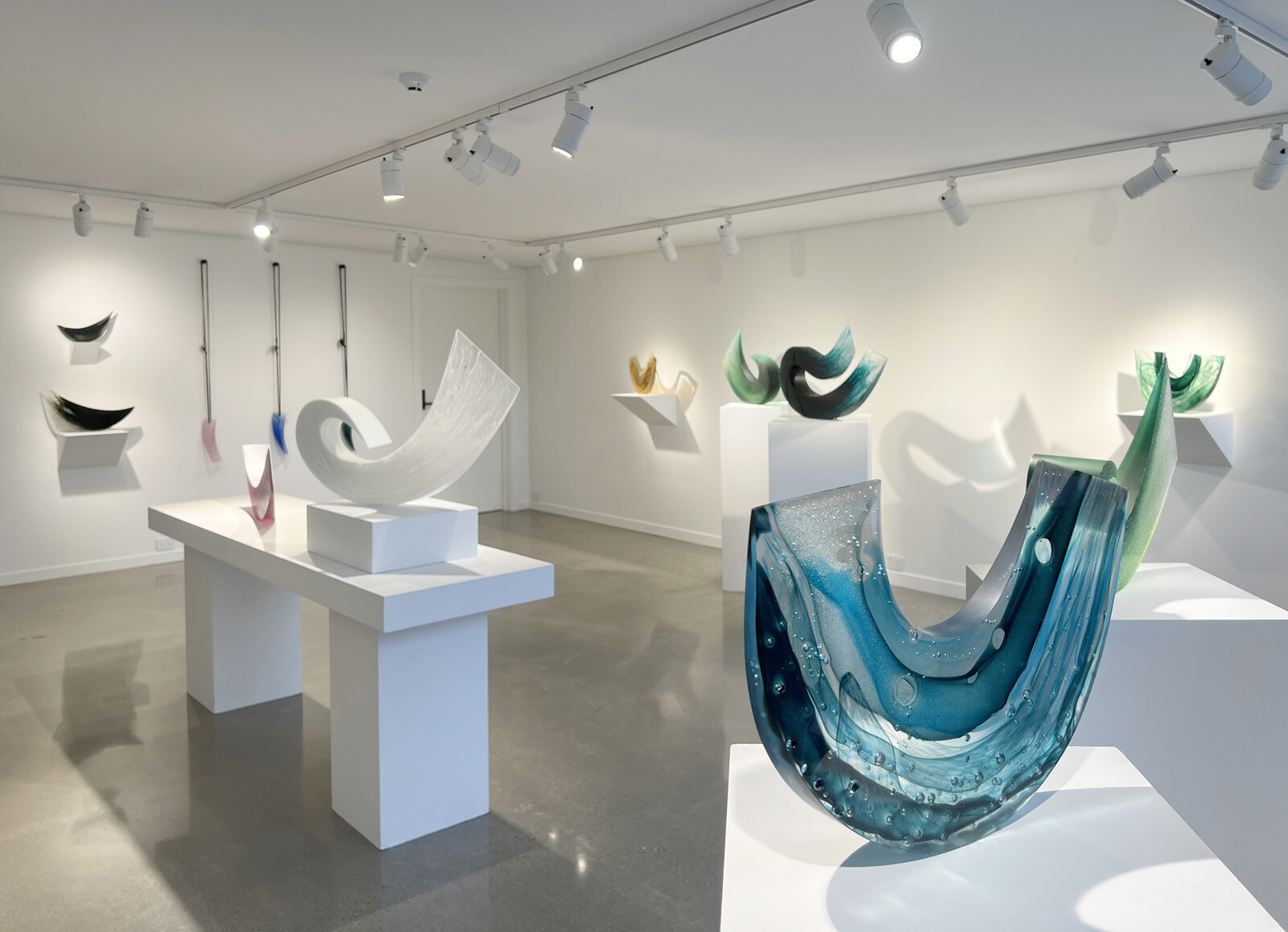
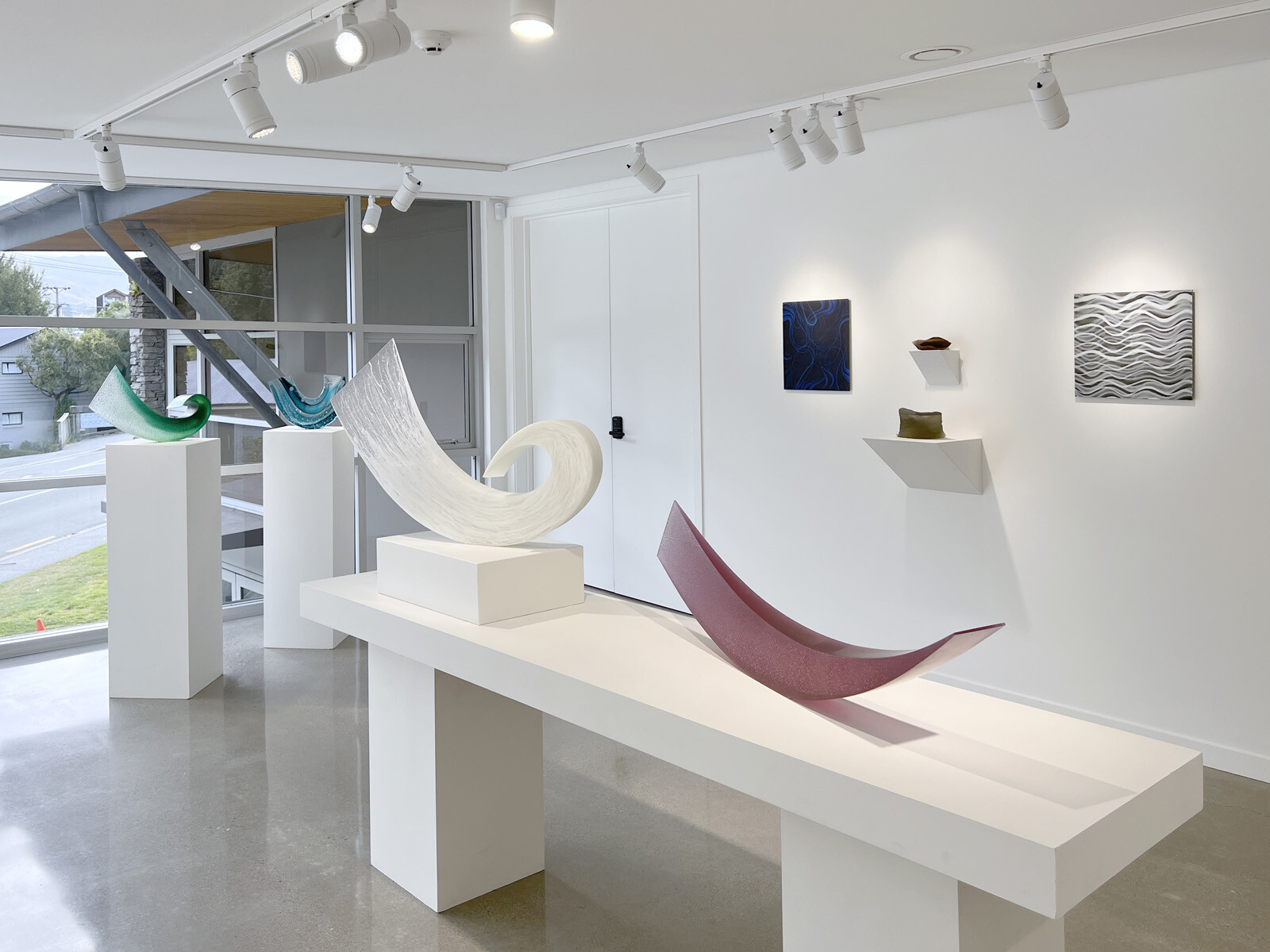
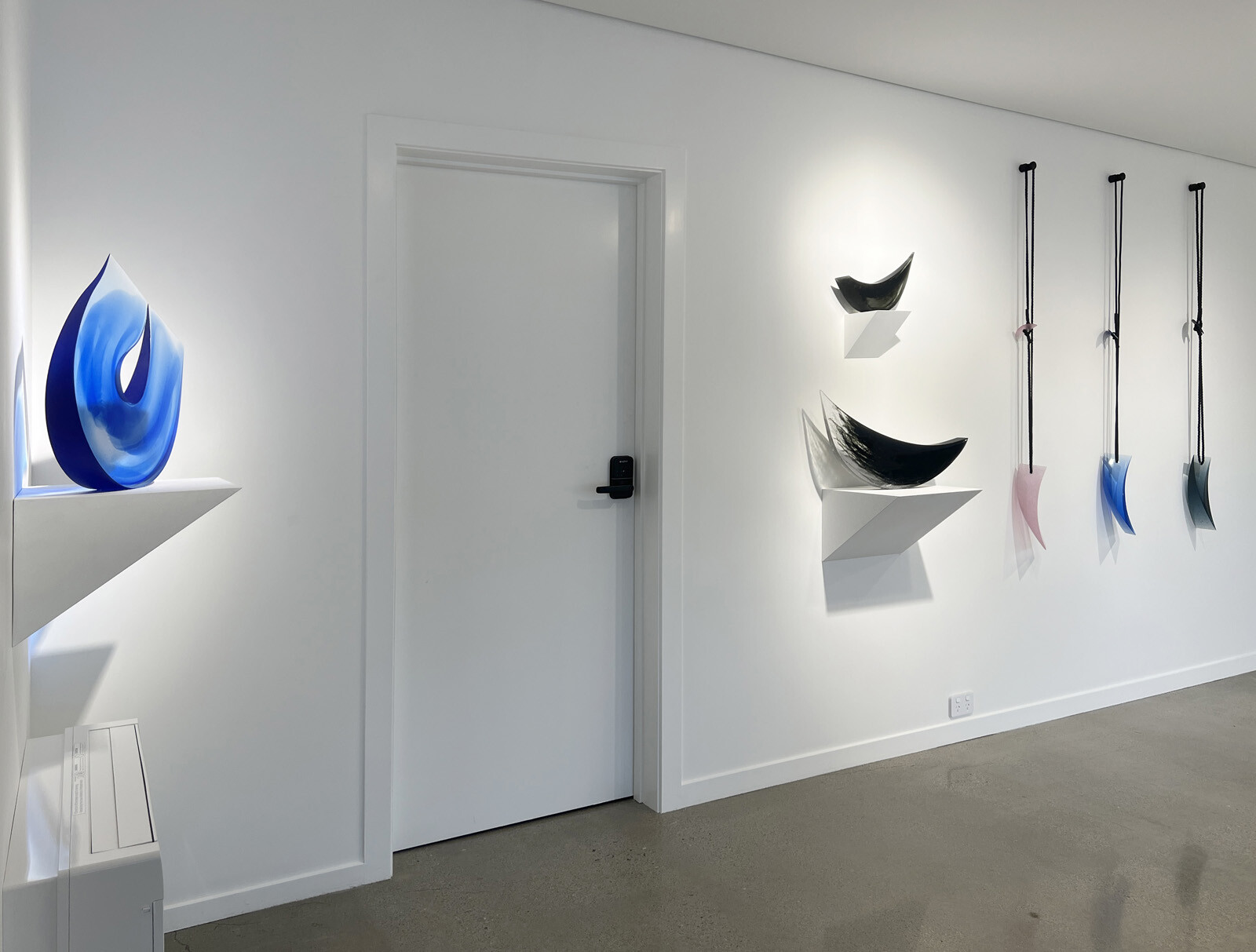
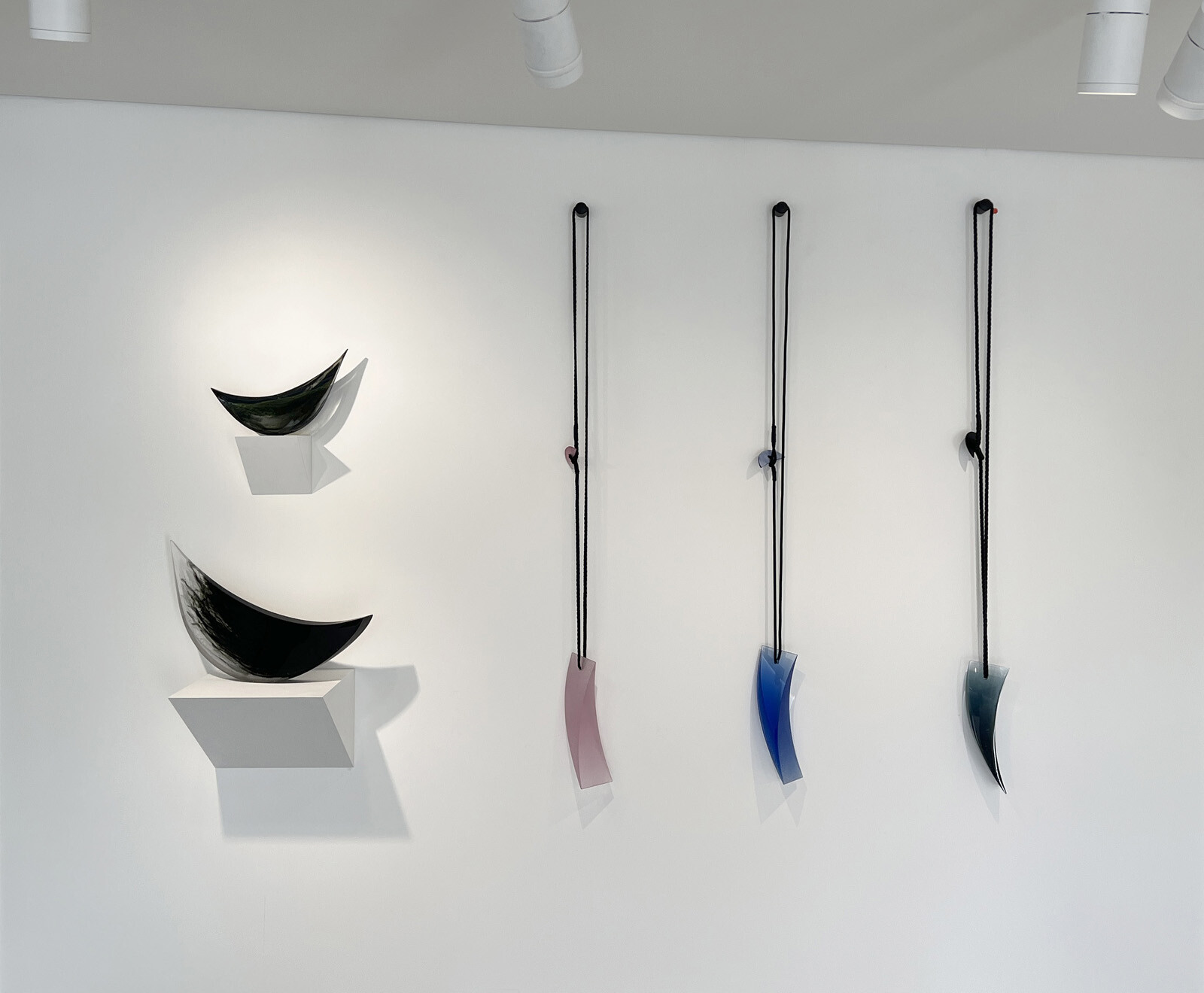
Exhibition Text
Galia Amsel emigrated to New Zealand in 2003 and is firmly established as one of the two pre-eminent glass artists practising here, since Ann Robinson’s retirement.
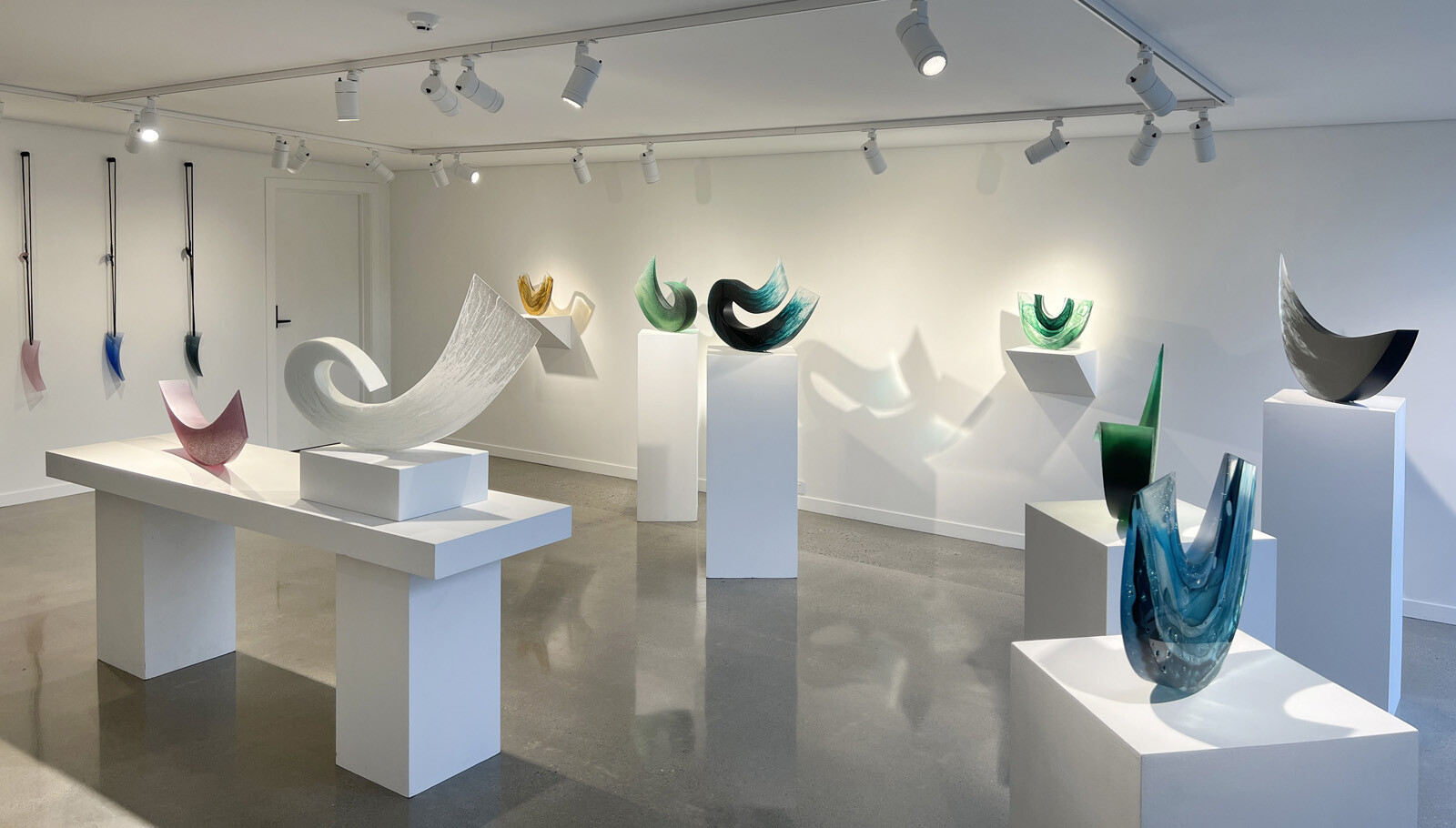
At first glance, her immediately recognisable “concise and expressive”1 works appear to be simple forms but quickly reveal themselves to be so much more. Hers is a very distinctive, if not unique, lyrical visual language in which the paradoxes of glass are presented, questioned and deftly explored. At once, glass is both a fluid and solid medium. Amsel adds to this spatial depth where in the internal space(s) opaque and translucent colour establish modulating presences and harmonies, atmospheres and dialects. The skilfully worked surfaces add visual complexity and profound tactile experiences to what is ‘seen’ by manipulating how and where light interacts, in works given a surface ‘skin’ design. This ‘skin’ is cold-worked, dimpled patterns and modulated surfaces built adding further paradox, where the dichotomies of inside/outside, stillness/motion, add more layers to the tensions established by and between the vibrations of changing light, the choreographies of colour.
The forms are geometric and architecturally inspired, often interrupted and refigured, curved and organic. The (incomplete) open circle, triangulated shapes, abstracted substance, tapering and slicing lines are variously elongated, stretched and turned back. The rhythm and tension established builds profound sensations of movement. The nuances of colour and spatial depth introduce atmospheres and possibilities which become highly suggestive. Weather phenomenon, changing seasons, the passage of time, the motion of the moment and so on, are so clearly implied that the visual vocabulary established, broadens yet again. This drama of space, motion and varied mass is an integral aspect of Amsel’s works.
While primarily working with cast glass, Amsel has added a new element into the traditional conventions of that practise: the use of blown glass in her casting process. In the Exploring Inside the Bubble group of works, the intrinsic qualities of blown glass – increased fluidity and transparency, the significantly increased capacity to layer colours – reach into new territory entirely, with remarkable result.
1. Dan Klein, Frozen Moment in Time: The Work of Galia Amsel, 2004.
Presented in partnership with Te Kano Estate.

All images and text copyright © 2026 the Artists & Milford Galleries Ltd.